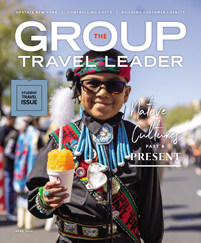



For thousands of years, Indigenous nations across North America have passed down their histories through art, oral tradition, ceremony and everyday life. Stories were carried in beadwork and carvings, in the rhythms of drums and dance, and in the careful craftsmanship of baskets, pottery and tools made to last generations.
Today, museums across the United States offer visitors a chance to experience those traditions up close. Some focus on the art and history of specific regions, while others take a broader look at Native cultures across the continent. They all tell these stories with depth and care, often in partnership with the communities whose histories they represent.
For group travelers looking to better understand the Indigenous experience in the United States, these five museums provide powerful introductions. Through immersive exhibits, rare artifacts and cultural programming, they highlight the voices, traditions and living cultures of Native nations from Alaska to the Southwest.
Alaska Native Heritage Center
Anchorage, Alaska
For visitors hoping to understand Alaska’s Indigenous cultures in a single visit, the Alaska Native Heritage Center in Anchorage offers a unique experience. Unlike traditional museums built primarily around indoor galleries, the Heritage Center combines exhibits with live cultural programming and outdoor village sites representing Alaska’s major Native cultural groups.
The center highlights the traditions of Alaska Native communities such as the Iñupiat, Yup’ik, Athabascan, Tlingit, Haida and Aleut. It also shows how their ways of life developed in response to Alaska’s diverse landscapes, from coastal fishing villages to inland river communities.
Inside the main hall, exhibitions introduce visitors to the art, tools and traditions that define these cultures. Carved masks, woven clothing, hunting equipment and ceremonial objects showcase the creativity and ingenuity required to survive in Alaska’s challenging environments. Outside, life-size village sites re-create traditional homes used by different cultural groups. Guided tours lead visitors through these structures while cultural interpreters share stories about daily life, seasonal traditions and community values. Private group tours are also available and must be booked at least two weeks in advance. During the visit, guests stroll through six authentic life-sized Native dwellings while learning about traditional lifeways from an Alaska Native Culture Bearer.

Live performances are a central part of the experience. Throughout the day, visitors can watch traditional dance performances, storytelling presentations and demonstrations of Native Games, athletic competitions that test strength, endurance and skill.
Heard Museum
Phoenix
Founded in 1929, the Heard Museum has long been considered one of the most important institutions dedicated to the art and culture of Indigenous peoples in the American Southwest. Located in central Phoenix, the museum focuses primarily on tribes from Arizona and neighboring regions, including the Navajo (Diné), Hopi, Apache, Zuni and Tohono O’odham.
With multiple galleries spread across a beautifully designed campus, the Heard Museum offers visitors a detailed look at both historical traditions and contemporary Indigenous creativity. The museum’s permanent exhibitions explore everything from traditional pottery and textiles to modern Native American sculpture, photography and painting.
One of the most powerful exhibits is “Away From Home: American Indian Boarding School Stories,” which explores the legacy of the federal boarding school system that separated Native children from their families for generations. Through photographs, personal belongings and recorded testimonies, the exhibit tells deeply personal stories of resilience and survival.
Art lovers often gravitate toward the “Home: Native People in the Southwest” gallery, where intricate baskets, beadwork, pottery and jewelry reveal the remarkable craftsmanship that has defined the region’s cultures for centuries.
Beyond its galleries, the Heard Museum is known for its group-friendly cultural programming. Demonstrations by Native artists, storytelling events and traditional dance performances take place regularly throughout the year. The museum also hosts the Heard Museum Guild Indian Fair & Market, one of the largest Native art markets in the world, drawing artists from across North America.
First Americans Museum
Oklahoma City
Few places in the United States hold as many Native histories as Oklahoma. Today, the state is home to 39 federally recognized First American Nations, each with its own culture, language and traditions.
The First Americans Museum in Oklahoma City was created to tell those stories collectively while still honoring the distinct identities of each nation. Opened in 2021, the museum represents years of collaboration between tribal leaders, historians, artists and educators.
At the heart of the museum is the “OKLA HOMMA” exhibit, a large gallery that explores the origins, migrations and histories of the tribes that now call Oklahoma home. Interactive displays guide visitors through centuries of change, from early cultural traditions to the forced relocations of the 19th century.
Artifacts on display include ceremonial clothing, historical photographs, musical instruments and artwork created by Native artists across generations. The exhibition also places strong emphasis on storytelling, with video installations allowing tribal members to share their own perspectives on identity, resilience and cultural continuity.
The museum campus itself was carefully designed with symbolism in mind. The building’s circular layout reflects Indigenous ideas about the interconnectedness of people, land and community. Outdoor spaces include gardens and gathering areas meant to host cultural events and performances.
For group travelers, the museum offers guided tours and educational programming that provide deeper context for the exhibits. Workshops, storytelling sessions and cultural demonstrations allow visitors to experience Native traditions in a more interactive setting.
Through its combination of historical storytelling and contemporary voices, the First Americans Museum offers one of the most comprehensive introductions to Native cultures in Oklahoma and the broader Plains region.
Plains Indian Museum
Cody, Wyoming
Set within the Buffalo Bill Center of the West in Cody, Wyoming, the Plains Indian Museum offers a deep look into the cultures of the Great Plains. The museum explores the lives and traditions of tribes such as the Lakota, Cheyenne, Crow, Arapaho and Blackfeet — communities whose histories are closely tied to the landscapes of the American West.
The Plains Indian Museum focuses on living cultures rather than presenting Native history as something only rooted in the past. Exhibits explore the artistry, spirituality and social traditions that remain central to Plains communities today. Community voices are present throughout the galleries, where oral histories and contemporary artwork show how traditions continue to evolve across generations.
One section of the museum focuses on buffalo culture, explaining how the animal influenced nearly every aspect of Plains life. From food and shelter to clothing and spiritual practices, the buffalo provided essential resources for generations. Through tools, hides and historical photographs, the exhibit reveals how deeply interconnected these cultures were with the natural world.
For travelers exploring Wyoming, the Plains Indian Museum offers one of the most thoughtful introductions to the Indigenous cultures of the Great Plains.
National Museum of the American Indian
Washington, D.C.
Located on the National Mall in Washington, D.C., the Smithsonian’s National Museum of the American Indian provides one of the broadest looks at Indigenous cultures in the Western Hemisphere.
Part of the Smithsonian Institution, the museum holds an enormous collection of objects representing Native nations from across North America as well as Indigenous communities throughout Central and South America.
The building itself is designed to reflect Indigenous values. Its curved limestone walls, flowing interior spaces and surrounding landscape evoke natural rock formations and riverbeds, creating an environment that feels connected to the land.
Inside, exhibitions explore themes such as identity, sovereignty, environmental stewardship and cultural resilience. The museum’s “Nation to Nation” exhibit examines the complex relationship between Native nations and the United States government through historic treaties, documents and diplomatic artifacts.
The Americans gallery explores how Native imagery and stereotypes have appeared in American culture — from sports mascots to film and advertising — while encouraging visitors to question how these portrayals influence public understanding of Indigenous people.
Throughout the museum, objects from the Smithsonian’s vast collections are paired with stories from the communities they represent. Traditional clothing, ceremonial items, musical instruments and works of art appear alongside videos and interviews with Native scholars and artists.
Public programming is also a major part of the museum’s mission. Film screenings, artist talks, performances and cultural festivals take place regularly throughout the year, making the museum a lively center for Indigenous culture in the nation’s capital.