


Sponsored Content
Trace the path of the Civil Rights Movement through Virginia, where community leaders, students, and brave individuals fought for equality. Visit Virginia’s sites on the U.S. Civil Rights Trail — the Fredericksburg Civil Rights Trail, the Virginia Civil Rights Memorial in Richmond, the Robert Russa Moton Museum in Farmville, and the Danville Museum of Fine Arts & History — to experience the fight for justice and equal rights.
By exploring these Virginia sites, groups can understand a nationwide movement in the context of the country’s colonial history, through the Civil War, and to today. These sites embrace and amplify once-quieted voices, allowing for an inclusive telling of Virginia’s complicated history. Consider using a step-on guide to further your exploration with helpful context from local experts.
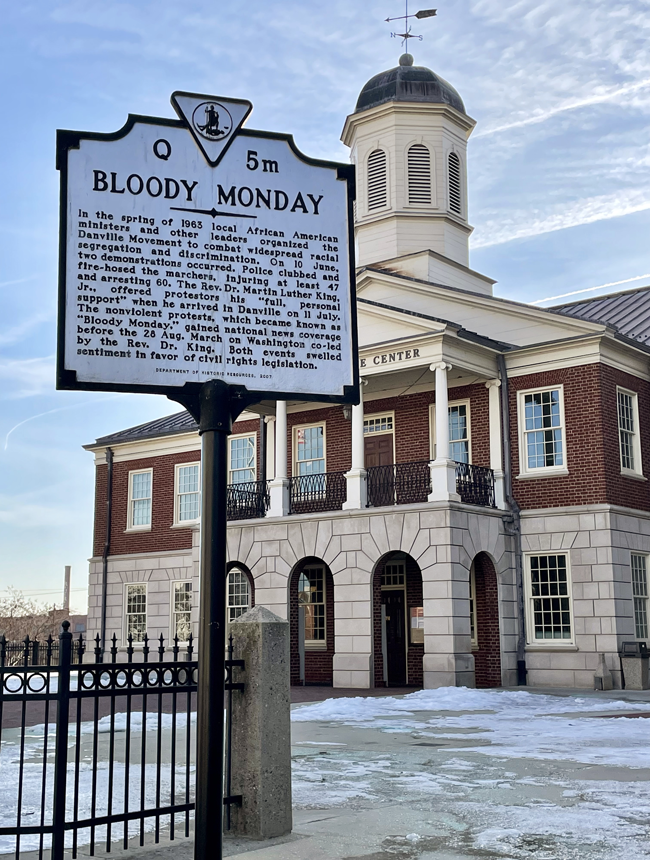
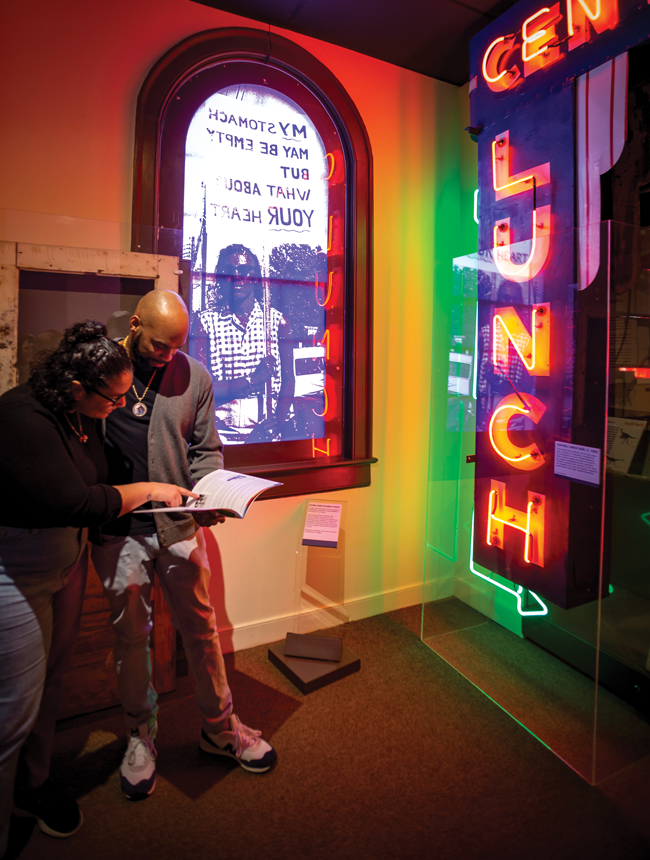
The Danville Museum of Fine Arts & History is one such example of Virginia’s complex past. Once the site of a segregated library, the museum is now home to a permanent exhibition, “The Movement: Danville’s Civil Rights.” Discover how the Danville Christian Progressive Association marched and argued for equal rights, inspiring national groups like Martin Luther King, Jr.’s Southern Christian Leadership Conference and the NAACP to continue the fight.
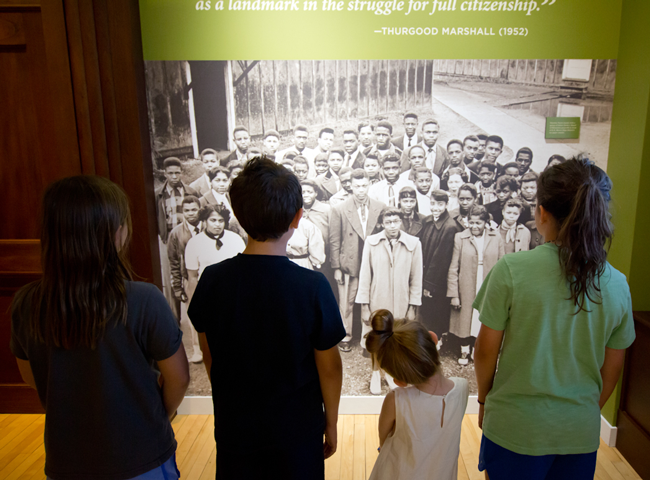
Farmville is a cornerstone in the student Civil Rights Movement, making it a powerful visit for younger audiences and lifelong learners. There you’ll find the Robert Russa Moton Museum, formerly a high school and the site of the first non-violent student demonstration in the country. Spurred by 16-year-old Barbara Johns, the student strike and subsequent court case would lead to the landmark Brown v. Board of Education decision.
Continue your journey through the Civil Rights Movement in Richmond, Virginia’s capital and a hub for Black history and culture. Outside the State Capitol Building (available for tours) you’ll find the Virginia Civil Rights Memorial, a landmark in bronze and marble to the students who fought for their right to an education.
You’ll recognize several figures depicted on the memorial if your group visited the Moton Museum in Farmville. Barbara Johns, leader of the student strike, reaches out in front of the other Virginians on the memorial. Also depicted are Civil Rights lawyers Oliver Hill and Spottswood Robinson.
There’s more to explore north of Richmond in Fredericksburg, where a walk through the downtown district will illuminate the rich history of the area. Years of research and recording local oral histories made the Fredericksburg Civil Rights Trail possible, making for a community-driven experience.
Split into a 2.6-mile walking tour and a 1.9-mile driving tour, the trail covers a variety of local sites and situates the Civil Rights Movement within the larger journey towards freedom in America. It begins at the Fredericksburg Visitor Center and includes stops on the University of Mary Washington Campus, Shiloh Cemetery, and the Dorothy Hart Community Center.
When you visit Virginia’s sites along the U.S. Civil Rights Trail, you won’t just learn about moments in time — you’ll experience the emotions, confront the struggles and weave through the threads of history that bind us together.