


Group Travel Basics for Planning a National Park Trip
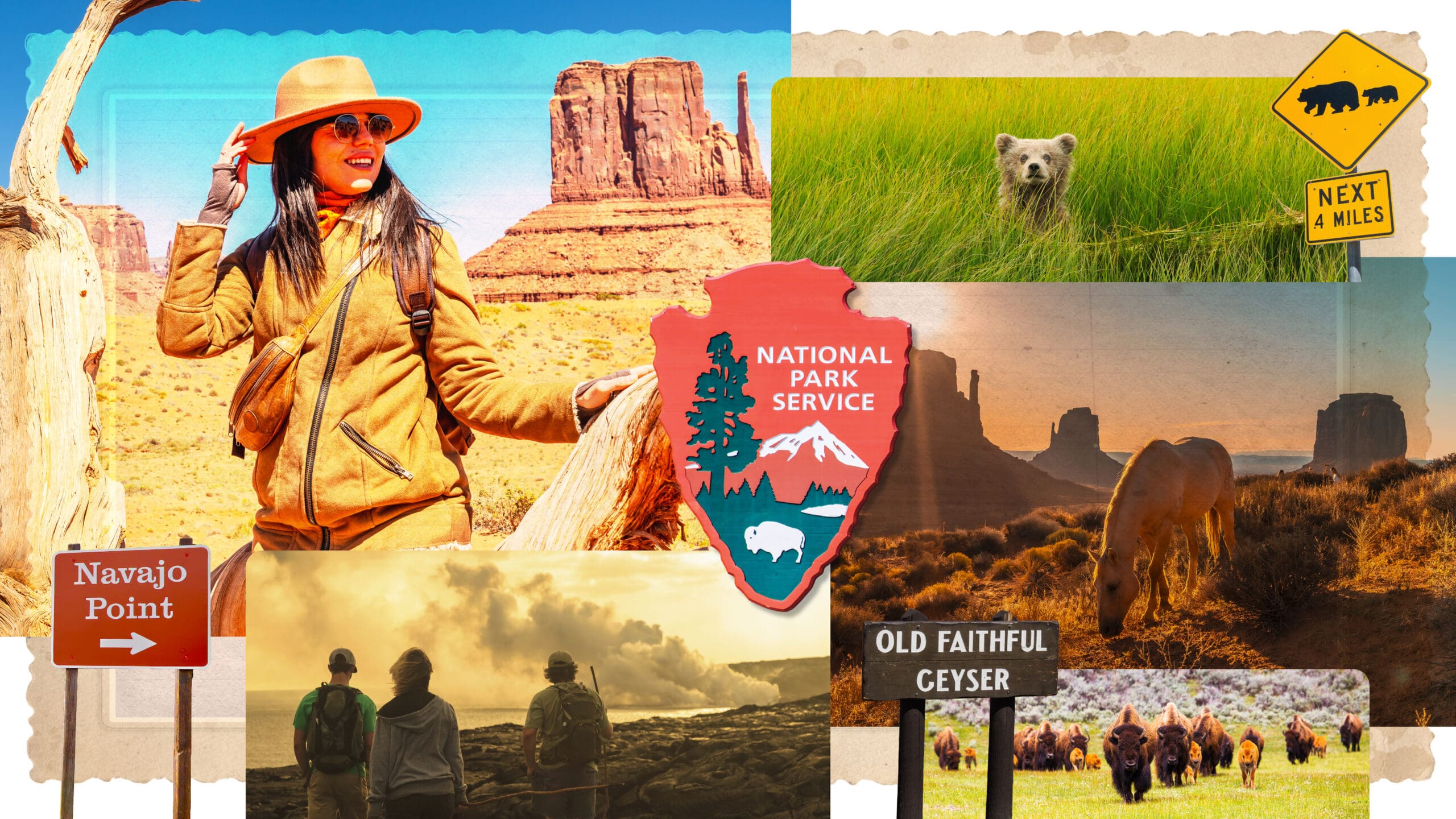
National park travel graphic
The geysers of Yellowstone, the red striations of the Grand Canyon and the misty mountains of Appalachia have been capturing the imaginations of travelers for centuries. These protected lands have earned top spots on travel bucket lists for countless nature lovers and travel enthusiasts, but you might have guessed that a trip to one of these treasures requires some special considerations.

The United States government has some 433 preserved public lands that are technically considered part of the national parks system. You’ve probably seen the titles “national historic site,” “national monument” and “national memorial,” and while these can be excellent stops and are often full of captivating history, they’re not the same experience as one of the national parks, which offer a wealth of experiences that can pack a multiday itinerary. There are 63 of these national parks spread throughout the country.
You might be new to the world of group travel and wondering how to get a group of friends to some bucket list destinations, or you might be used to group travel but not quite sure how to navigate the nation’s park system. Either way, we’ve got you covered with this guide to group travel to national parks.
A National Park group tour requires a year or more of advanced planning.
Questions to Ask
How much do you want to pay?
When it comes to a national park trip, entrance fees are just the start. Once your group crosses into the park, you can expect to pay a premium for things like food, lodging and activities. But there are some things you can do to decrease the cost. Visiting during shoulder season might mean sacrificing some experiences, but it could also mean a much more accessible price tag. Where your group stays is another major factor in the cost of the trip — budget lodging will lack the wow factor, but some groups don’t mind that. Other small cost savings include purchasing things like snacks, water and sunscreen outside the park rather than visiting the gift shop inside the park grounds.
What’s your group’s activity level?
Your group’s activity level is going to determine much of how you fill your itineraries. Are you assembling a multigenerational travel group? If so, consider the activity level of the youngest and oldest attending the trip, as well as anyone who might need special accommodations, like wheelchair accessibility. But if your group is full of park enthusiasts who are used to (or even expecting) physical activity, feel free to book physically demanding outings, like strenuous hikes or whitewater rafting. Even with physically active groups, book some less challenging activities so your travelers also have time to rest. Some experiences, like scenic drives, are popular and accessible to all, so these make good starting points.
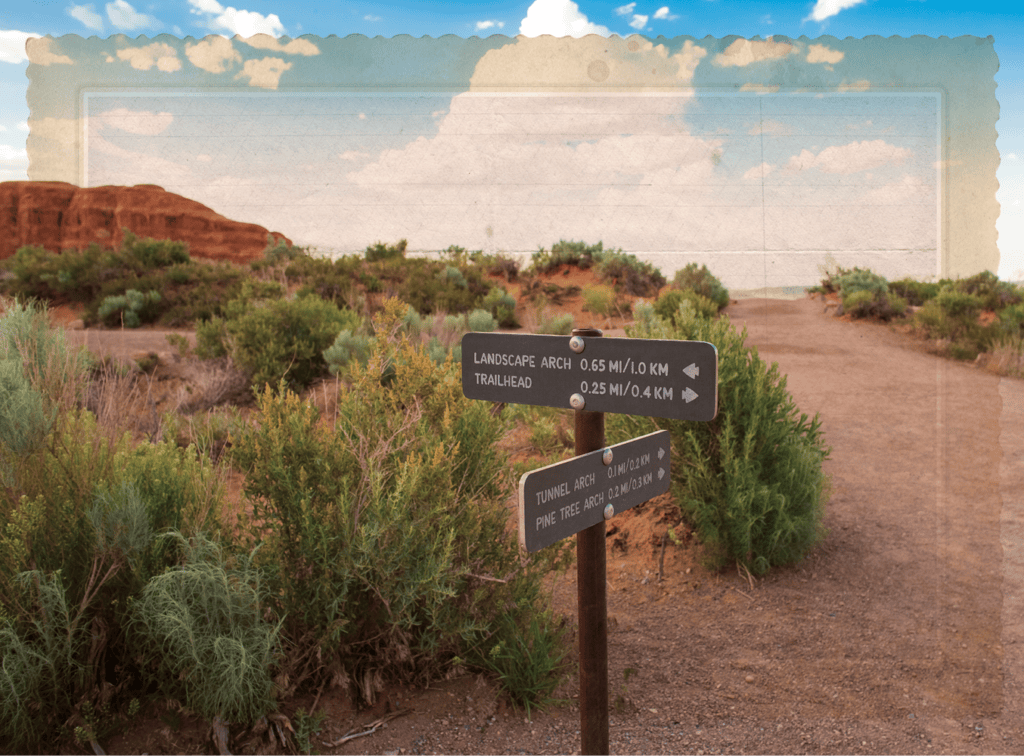
If the park you are visiting requires a lot of walking make sure your travelers are prepared.
How will the season affect the experience?
Some parks, like the ones at high elevation out West or those in Alaska, are only accessible to visitors at certain times of the year, like the warmer seasons, which narrows the scope of when you can plan your trip there. Some other parks are available year-round, but the experience is going to have different pros and cons depending on when you visit. And, of course, peak season is going to bring crowds, traffic and high costs, while shoulder season might mean skipping out on some of the park’s signature activities and experiences.
What level of comfort are you seeking?
National parks might embody nature’s rugged beauty, but traveling to one doesn’t have to feel like roughing it. The level of comfort your groups are looking for will make all the difference. If they’re not picky, a motel or select-service hotel will do. If they’re looking for something that has more of a resort feel, they can look for full-service hotels, spas and resorts. Some national parks even have resorts just on their doorstep, like in Alaska. Of course, near national parks (especially during peak times), expect significantly higher prices and long waitlists — that’s just the cost of traveling to some of the country’s greatest treasures.
Special Considerations
Federal holidays, government closures and staffing problems
National parks are federally owned, which means they’re maintained and staffed by federal employees. They’ll be closed on federal holidays and during major interruptions in government operations, like government shutdowns. Certain government policies can also affect national parks, like hiring freezes, layoffs or budget cuts. That could spell out unforeseen closures, whether of the whole park or of certain sections that can’t be maintained. This is all important to keep in mind because many people plan vacations around dates when they don’t have to work, like federal holidays.
Wildlife
Wildlife viewing is one of the top reasons travelers make their way to the parks each year because they provide an opportunity to see some of the most majestic species in North America in their natural habitats. However, you’ll need to keep in mind that wildlife might vary depending on the season, weather and the routes you take — for instance, your group shouldn’t expect to see bears during hibernation seasons. Additionally, it’s important that everyone in your group knows how seriously the parks take keeping wildlife (and guests) safe. Viewing wildlife from a distance is encouraged, but physical contact with the animals can have dire consequences for the animals and sometimes for guests. Make sure your groups have a healthy respect for preserving the sanctity of the parks and that they always follow any park ranger or guide instructions.
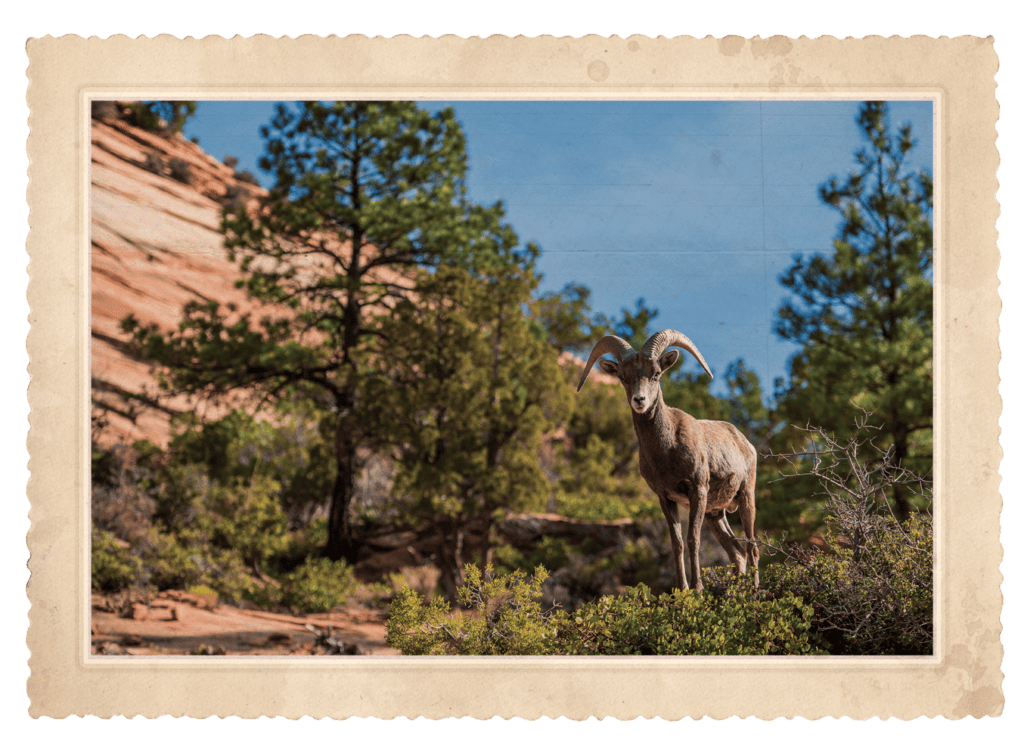
Make sure all guests are educated on park rules regarding wildlife for their safety the animals safety
Guides/Receptive Operators
Unless you consider yourself an expert on the park you’re headed to, you owe it to your groups to book a guide or receptive tour operator to give you the best possible experience. These excursions are more likely to include special options, like Indigenous tours or demonstrations, horseback riding, or whitewater rafting. They’ll know how to identify flora and fauna, where the best spots for a photo-op are, and a range of other insider tips and information, including details on securing permits and special transportation if necessary. There’s an abundance of these guides and receptive operators just waiting to help you curate an amazing experience for your group.
Assembling Your Itinerary
Activities
Once inside the parks, there’s no shortage of things to do, depending on the activity level of your travelers and how experienced they are with parks. Most groups will be interested in the park’s scenic drives, which offer an overview of some of the most cherished sights. Ranger-led programs, wildlife watching and light hikes are also extremely popular. More advanced groups, or those looking for something special, will enjoy activities like stargazing or dark sky viewing, whitewater rafting, horseback riding, or experiences led by local Indigenous tribes.
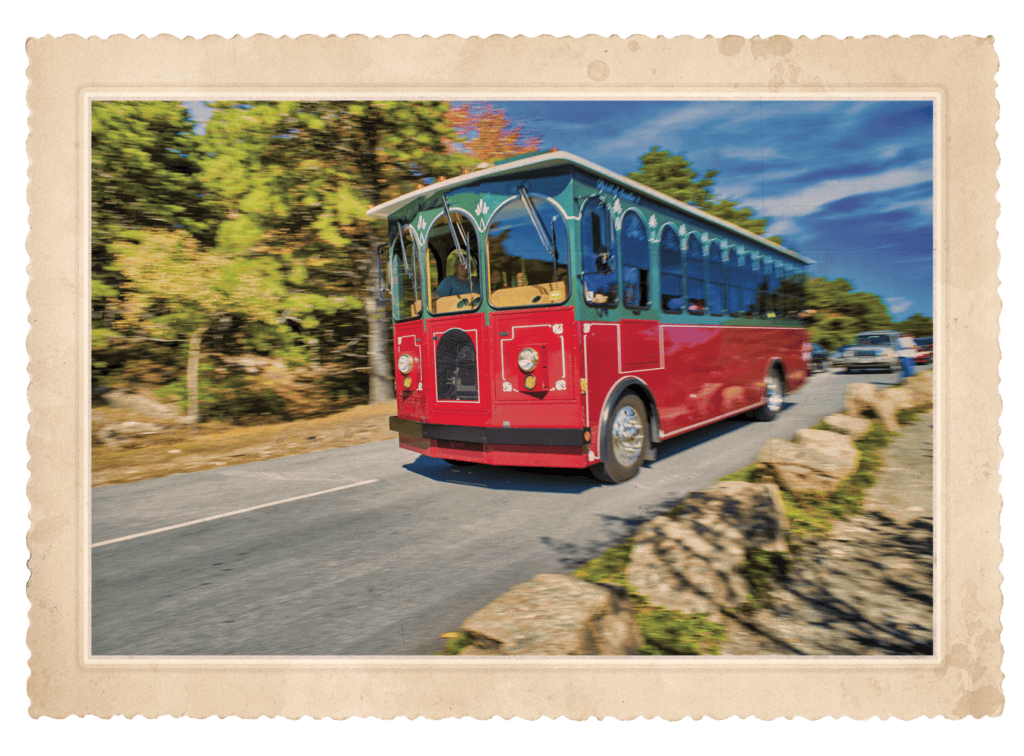
Certain activities may require booking transportation ahead of time.
Lodging/Dining
Many national parks have lodges inside their boundaries, but these lodges are usually booked out very far in advance. To get a room block for a group, you’re probably looking at booking two to three years out. If that park lodge experience is important to your groups, be aware of the advanced time frame you’ll be working with. A range of hotels, from budget motels to upscale resorts, are available outside the parks that will likely have a bit more flexibility on cost and availability.
Pro tip: If you want your group to have the quintessential national park lodge experience, plan to have lunch at the lodge while in the park. They can enjoy the ambience and won’t have to leave the park for lunch.
Travel Ideas
Level One: Easy for First-Timers
If you’re designing an itinerary for a group of first-time parkgoers or those who are looking for a laid-back, less intensive trip, choosing just one or two easily accessible parks is the perfect introduction.
Great Smoky Mountains National Park (Tennessee)
This is the country’s most visited national park, drawing an estimated 15 million visitors each year. It’s named for the mist that clings to its lush, mountainous landscapes. You can take your groups along Cades Loop, an 11-mile scenic drive, or to one of many sky lifts, amusement parks or ski resorts in the park. During warmer seasons, wildlife like black bears, elk and deer can be seen throughout the park. It’s also notable for its beautiful wildflowers. Nearby towns Gatlinburg and Pigeon Forge provide a well-rounded, self-contained and relatively affordable visitor experience.

Grand Canyon National Park (Arizona)
With one of the most recognizable landscapes in the world, Grand Canyon National Park flip-flops with Zion National Park for the title of second-most visited national park. The South Rim in particular is great for first-time visitors, as some of its most breathtaking vistas are easily accessible from roads and short hikes. However, the park is large enough that a longer stay could be arranged, and more experienced parkgoers could also have a great time.

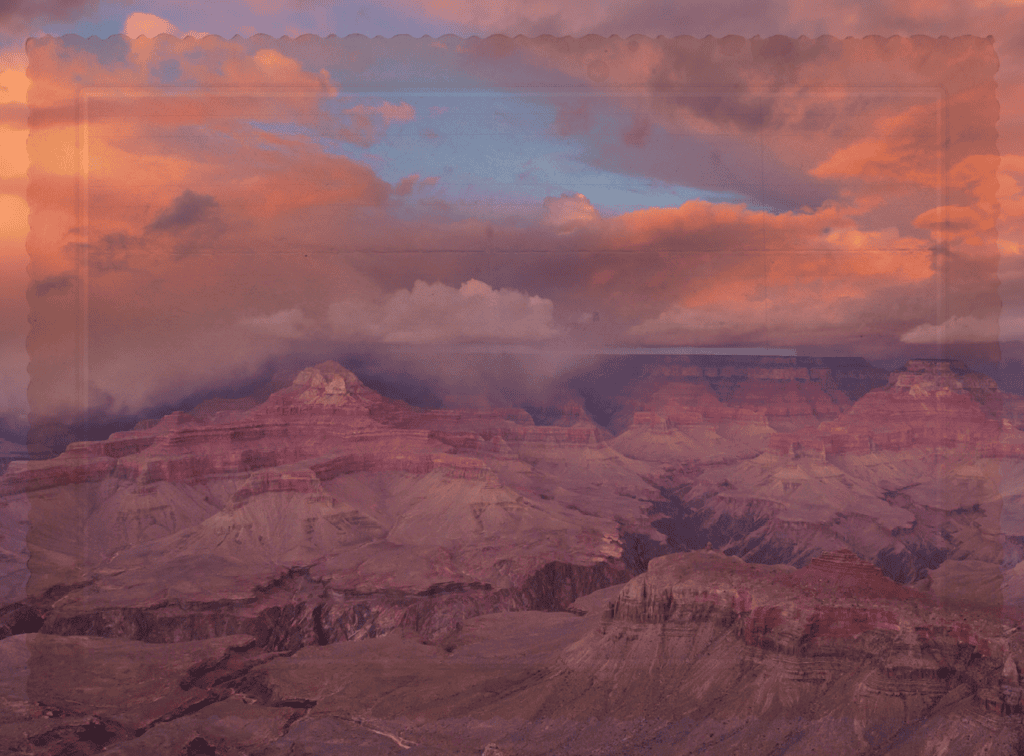
Grand Canyon National Park is on the bucket list of most travelers.
Badlands National Park and Wind Cave National Park (South Dakota)
In South Dakota, Badlands National Park is a great starter park. Badlands Loop State Scenic Byway provides many gorgeous overlooks that are easily accessible without a lot of hiking. The Badlands, comprising buttes and rock formations, look particularly beautiful backlit by sunsets, and the park’s stunning wildlife includes deer, prairie dogs, buffalo and mountain goats. It’s also close to other national treasures like Mount Rushmore and Black Hills National Forest, as well as several of South Dakota’s scenic state parks. Wind Cave National Park, while perhaps lesser known, is home to the iconic Wind Cave and similarly breathtaking prairie landscapes and wildlife.
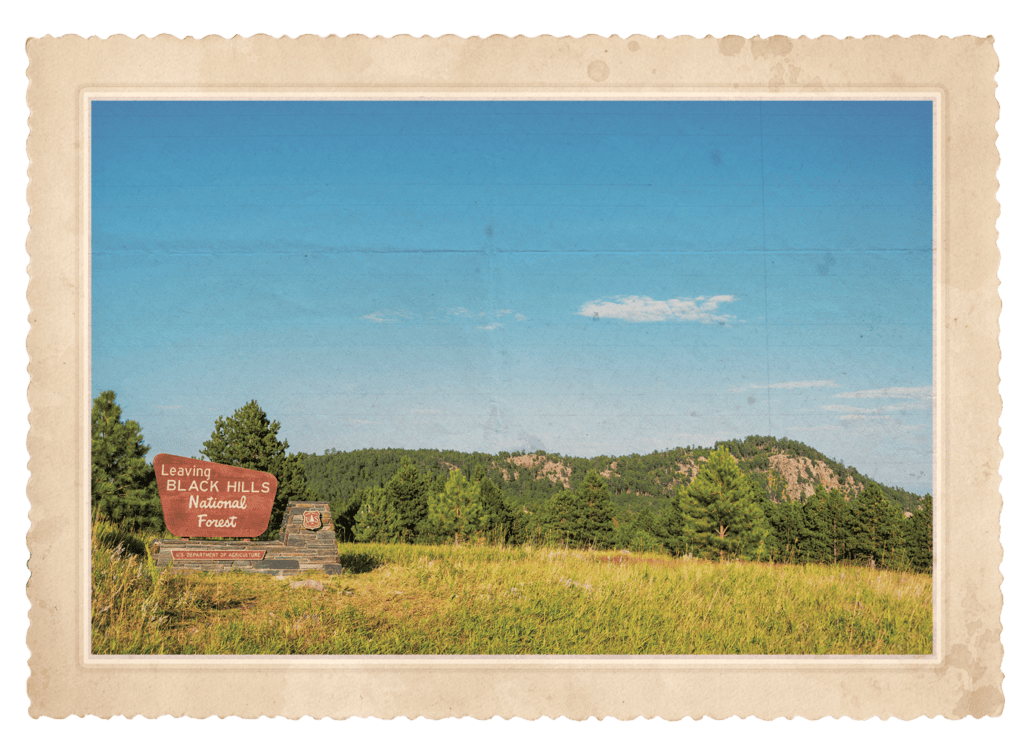
Black Hills National Forest is an must-see site on a Badlands National Park trip itinerary
Yellowstone National Park and Grand Teton National Park (Wyoming)
Yellowstone National Park is at the top of many travelers’ bucket lists, thanks to its iconic scenery of buffalo herds, waterfalls, geysers and springs. It’s an easily customizable experience because groups can choose to stick to scenic drives, ranger-led programs and walkable park attractions or delve deeper into the park landscapes with moderate hikes. Grand Teton National Park is close enough that it’s natural to pair it with a Yellowstone trip, adding even more breathtaking scenery to the mix.
Honorable Mention: Acadia National Park (Maine)
Level Two: Not Their First Rodeo
Southern California Circuit: Yosemite — Sequoia — Kings Canyon
Featuring awe-inspiring sights like massive sequoia trees, large waterfalls and Half Dome, these Southern California parks form an incredible circuit to explore.
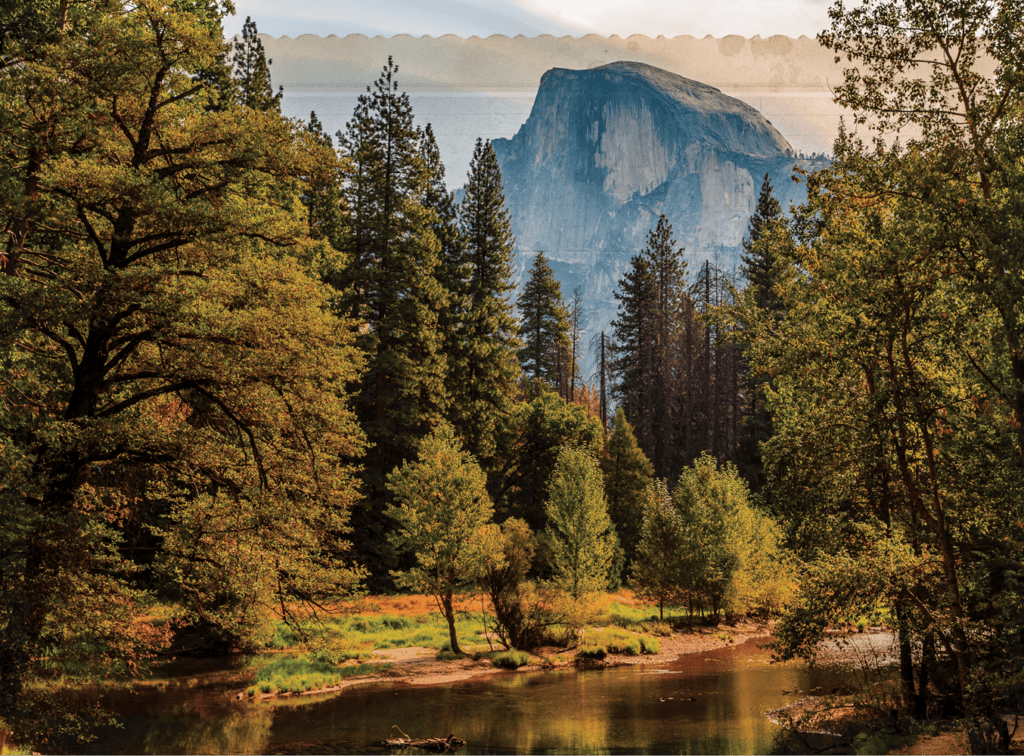
Yosemite will stun travelers with breathtaking scenes.
Utah’s Big Five Circuit: Zion — Bryce Canyon — Capitol Reef — Canyonlands — Arches
Utah’s five national parks feature stunning geologic formations and otherworldly landscapes that groups can explore with moderate hikes.
Glacier National Park (Montana):
At first glance, Glacier doesn’t seem like it would be any more challenging to visit than Yellowstone, but it’s much less accessible during the winter months, and many of the park’s most beautiful scenes are only reachable through strenuous hikes.
Volcanoes National Park (Hawaii):
While the park itself has beginner-friendly infrastructure, the remoteness, long-haul flights and island logistics might make it more suitable to an experienced parkgoer.
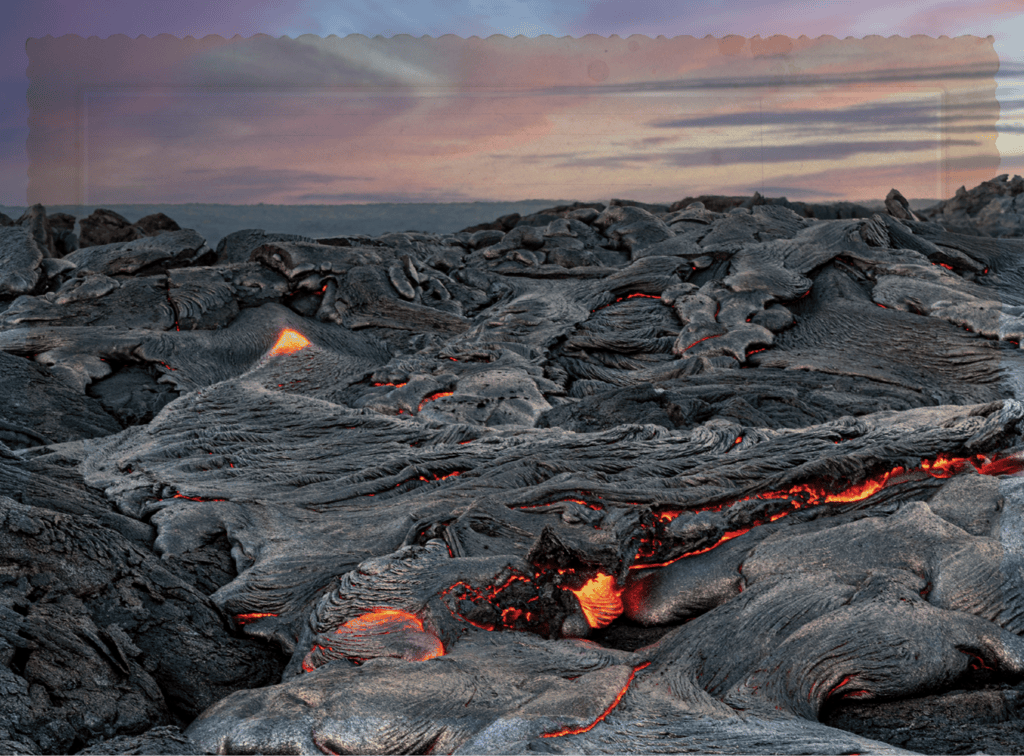
Volcanoes National Park in Hawaii gives visitors an opportunity to see lava flows.
Honorable Mention: Rocky Mountain National Park (Colorado)
Level Three: Great for Park Enthusiasts
If your groups are adventurous and experienced parkgoers, these national parks and park circuits are perfect. They may be more remote, have less infrastructure and involve more strenuous physical activity to get to the most noteworthy views and attractions.
Alaska Park Circuit: Denali — Kenai Fjords — Wrangell-St. Elias
The remote beauty of the Alaskan parks makes the long journey to get there worth it. But sweetening the deal is the number of full-service resort properties outside of these parks. They’re only accessible for half the year, but a trip to the Alaskan parks is something park enthusiasts will be bragging about for the rest of their lives.
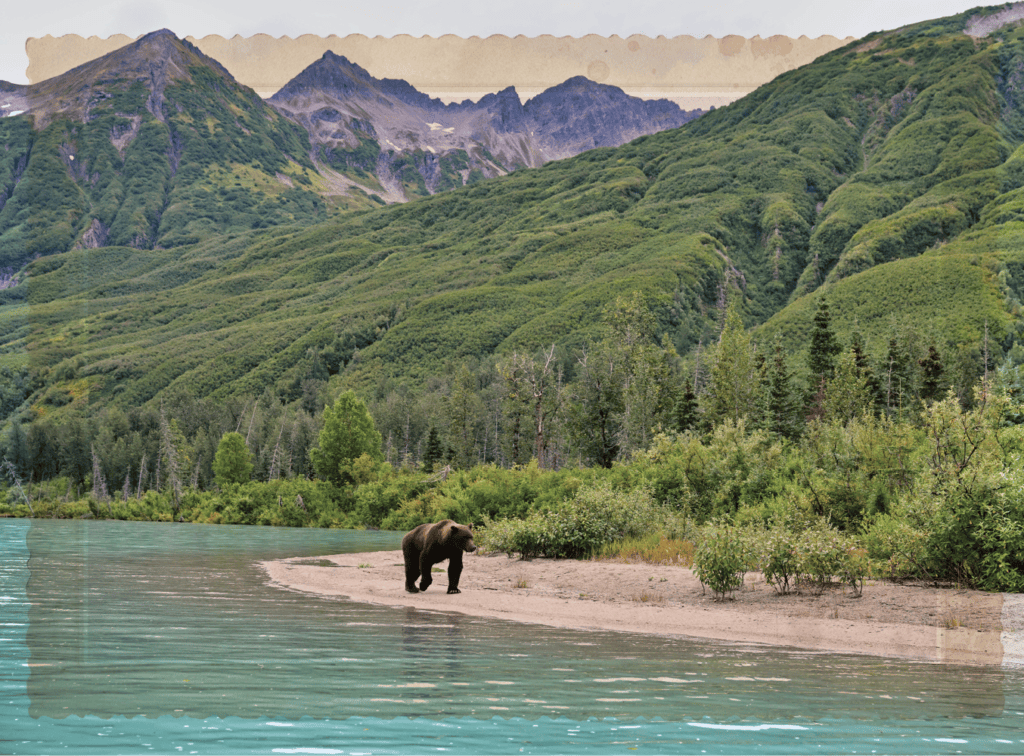
Alaska offers some of the best wildlife viewing in its pristine national parks.
Pacific Northwest Circuit: Mount Rainier — Olympic — North Cascades
Known for breathtaking and diverse ecosystems, from rugged coasts and lush rainforests to fields filled with wildflowers, the parks in Washington state are all worth visiting, though they require more active sightseeing, their attractions can be spread out, and weather can be a challenge.
Texas Parks: Big Bend — Guadalupe Mountains National Park
The desert environment and sparse infrastructure of parks in West Texas makes them suited for more adventurous travelers. However, visitors will also enjoy fewer crowds and beautiful dark skies perfect for stargazing.
Honorable Mention: Channel Islands National Park (California)


Rachel Crick
Rachel Crick is the associate editor and project manager for The Group Travel Leader Inc. When she's not writing articles amidst her many plants, Rachel enjoys gardening, photography, and spending time with her family and cats, Misty and Jazz.
You May Also Like


About Us

We're The Group Travel Leader, America's leading experts on all things group travel. Find hundreds of articles, podcasts and other free resources for your group travel program here.
The Latest Issue
Stay Connected!
Get the Group Travel Minute e-newsletter twice a month.