


Step into Germany’s Timeless Heritage Towns
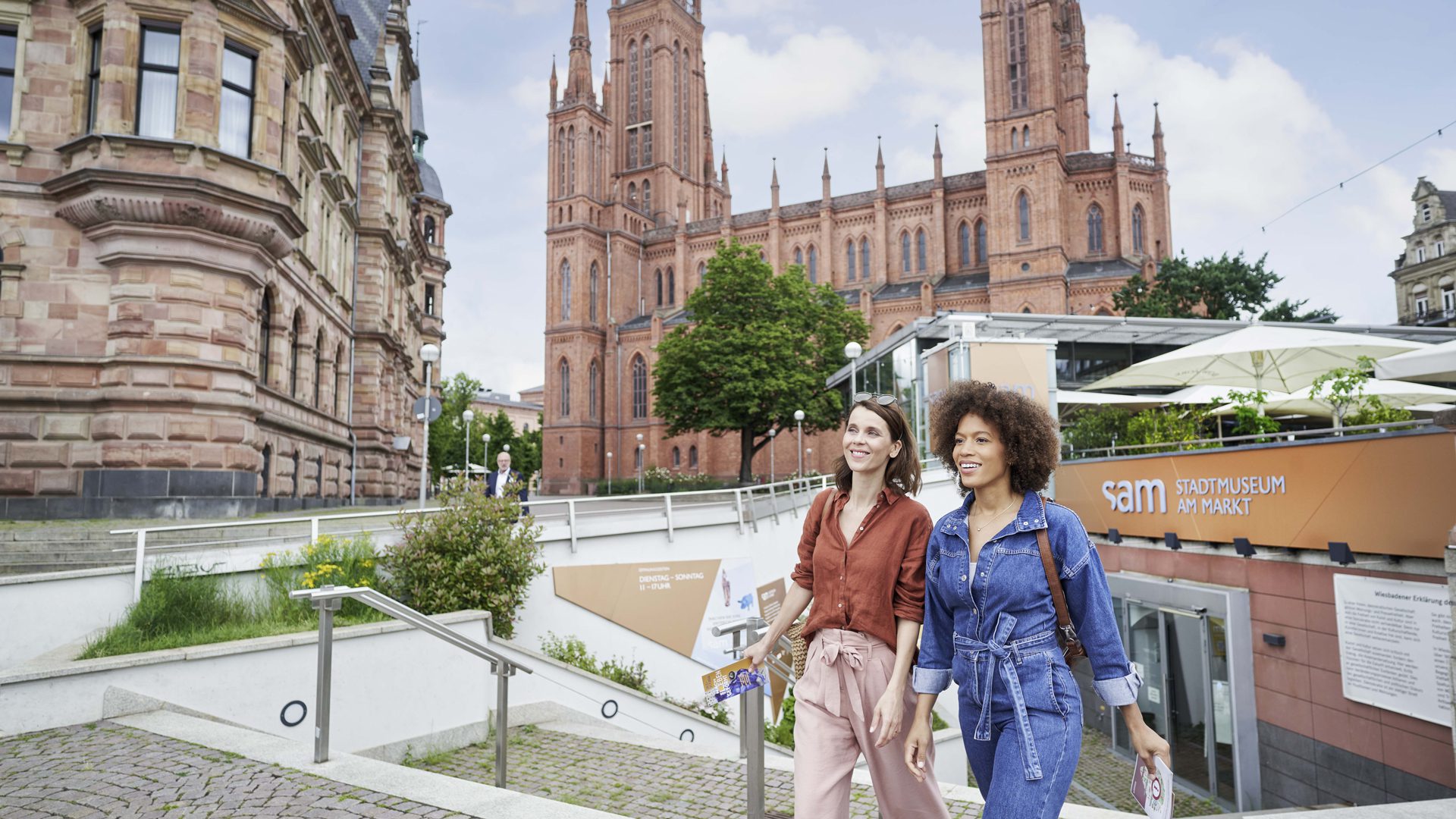
credit WICM Roger Richter CC BY 4.0
Sponsored Content
When dreaming of a European vacation, Americans may not immediately think of Germany. But Germany is where travelers can delve into centuries of history, experience generations of community, and discover deep local lore. It’s where they can lose themselves in the moment but find themselves coming back, again and again.
The 17 heritage cities that are members of Historic Highlights of Germany span the ages, from the Roman Empire to the Renaissance, and they span the country, from the Baltic Coast in the north to the Black Forest in the south.
To become a Historic Highlights of Germany heritage city, each city must be at least 700 years old, have a population of at least 100,000 people, and be home to a university. These understated gems of Germany combine centuries of history with thriving present-day communities; they also offer the same caliber of iconic architecture, incredible cuisine, and once-in-a-lifetime cultural experiences found throughout Germany, all with fewer crowds and more authenticity than top tourist hubs. And they’re all easily accessible thanks to Germany’s high-speed railway system and the autobahn.
In these heritage cities, historic central squares, encircled by colorful buildings, serve as community gathering places where locals come to shop on market days and chat at cafe tables. Walkable old towns offer pedestrian plazas, cobblestone streets, and winding alleys lined with mostly locally owned shops, restaurants, and bakeries, some that have been in the same family for generations.
“When visitors sit down at a local restaurant or cafe in our heritage towns, people will start talking to them and make them feel welcome,” said Sandra Weinacht, media liaison for Historic Highlights of Germany. “Here, you easily become part of local life, especially when joining a local beer or wine festival, or during Christmas Market season”
Because all 17 heritage cities offer easy access to major cities like Berlin, Frankfurt, and Munich — and their airports — they serve as affordable hub-and-spoke destinations for groups. Additionally, many of these heritage cities sit on the banks of major rivers like Rhine, Danube, Main, and Moselle; they’re also easy options for pre- or post-cruise exploration.
Aachen
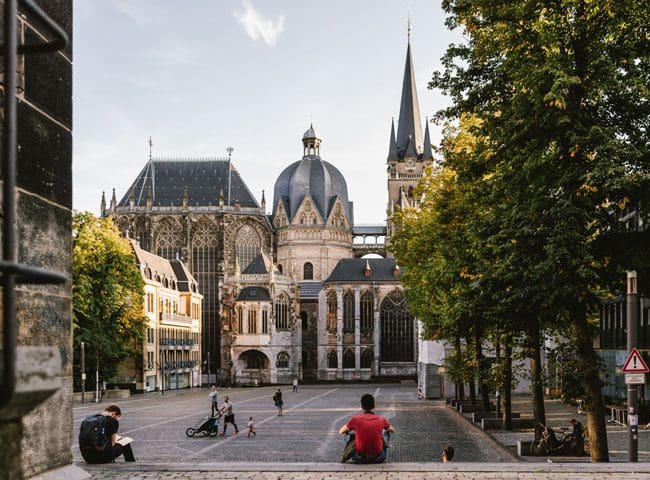
As the westernmost major city in Germany, Aachen sits near the border of both Belgium and the Netherlands. Aachen is known for its thermal springs, and the Elisenbrunnen fountain is one of the city’s most famous landmarks. Though visitors can’t drink or bathe in the water, they can wash their hands in the 53-degree Celsius thermal water. At nearby Carolus Thermen thermal baths, groups can soak in the mineral-rich waters, and at least four other spring heads are accessible throughout the city. Groups can also visit Aachen Cathedral, the first UNESCO World Heritage Site in Germany, the largest cathedral north of the Alps, and one of the oldest cathedrals in Europe, where Emperor Charlemagne was buried in 814. Across the historic piazza, groups can visit the Centre Charlemagne history museum or the Couven-Museum, a restored 1660s house museum. Visitors can walk to the Fischmarkt to shop or tour the Grashaus, Aachen’s first town hall, built around 1260.
Don’t miss: World Equestrian Festival CHIO Aachen, the biggest equestrian sporting event in the world, held every summer.
Augsburg
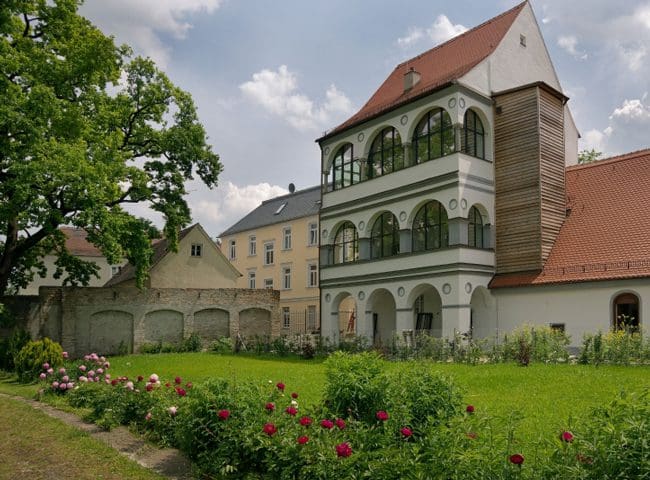
About 80 km northwest of Munich, the Bavarian city of Augsburg is one of Germany’s oldest cities, and its picturesque architecture spans thousands of years. In the main square, Rathausplatz, groups can see the Renaissance-style town hall and Augustus Fountain, one of the city’s three Renaissance fountains. The 70-meter-tall bell tower in front of St. Peter am Perlach church is closed for construction, but visitors will be able to climb the 258 steps to the top when it reopens in 2027. Also in the square, groups can visit the municipal building to learn more about the city’s intricate, UNESCO-designated water system. Groups can tour the Schaezlerpalais, with its exceptional baroque ballroom, and see the Hercules Fountain, another Renaissance fountain located in front of the palace. At the Fuggerei, the oldest existing social housing estate in the world, groups can visit four museums, including a display residence and the air-raid bunker.
Don’t miss: Augsburg International Jazz Summer festival, held every summer, and the twice annual Dult beer festivals in the spring and summer/fall.
Bonn
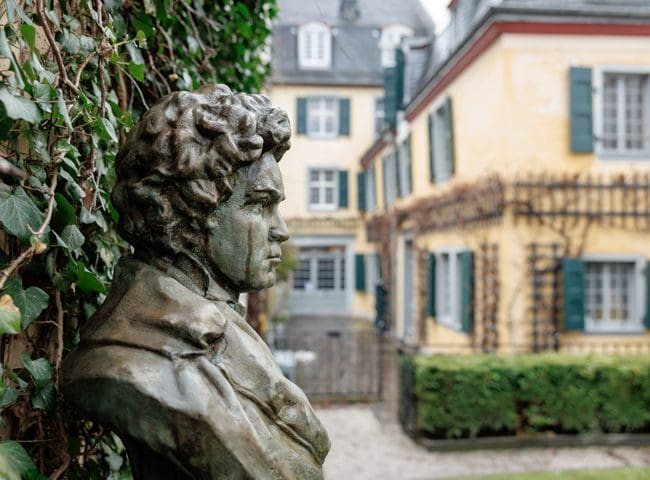
As the former capital of West Germany and reunified Germany, Bonn is home to many important buildings, significant monuments, and historic sites, but it is perhaps best known as the birthplace of composer Ludwig van Beethoven. For a music-themed itinerary, groups can visit the Beethoven House Museum in the house where Beethoven was born, see the Beethoven Monument on Münsterplatz, and attend a concert at Beethovenhalle. Also on Münsterplatz, groups will find the soaring towers of Bonn Minster church and the gilded stone facade of Altes Rathaus, or old city hall. South of old town, Poppelsdorf Palace is a baroque palace that is now part of the University of Bonn, where groups can tour the school’s Mineralogical Museum and explore the botanical gardens. Along “Museum Mile,” five museums showcase art, science, and natural history exhibits: House of History Bonn, Art Museum Bonn, Bundeskunsthalle, Museum Koenig Bonn, and Deutsches Museum Bonn.
Don’t miss: Bonn’s annual Rhenish Carnival, which celebrates its 200th anniversary this year.
Erfurt
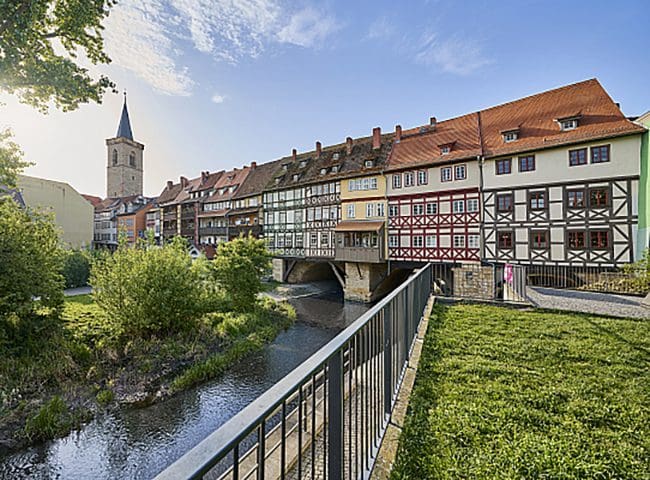
Erfurt’s preserved medieval center is one of the city’s major attractions. There, groups can see Fachwerkhäuser, German “half-timbered houses” — and visit Krämerbrücke, aka Merchants’ Bridge, one of the few remaining bridges in the world with houses and shops built on it. It’s the only inhabited bridge north of the Alps. From the bridge, take a short walk to the Old Synagogue, part of the Jewish-Medieval Heritage of Erfurt, a UNESCO World Heritage Site. The synagogue, one of three preserved structures in the UNESCO site, is open for tours and has a museum. Twin churches dating to the Middle Ages tower over the bustling Domplatz, where locals gather for market days and community events. From the square, groups can walk to Petersberg Citadel, which rises above Erfurt’s old town, to tour the star-shaped fortress. Group offerings include guided tours and special options such as flashlight tours, virtual-reality-enhanced tours, and tours with a costumed guide. Visitors can also dine at one of the citadel’s restaurants and visit the wine bar, beer garden, or distillery.
Don’t miss: The Merchants’ Bridge Festival, every year on the third weekend of June. Erfurt’s Christmas Market is another must-experience.
Freiburg
Freiburg sits on the Dreisam River, tucked into the Black Forest foothills. For panoramic forest views, groups can ride the cable car to the top of Schauinsland mountain and even take a behind-the-scenes tour of the technology that runs the gondola. Visitors can also ride the Schlossbergbahn funicular railway from the city center to the forested recreation area on Castle Hill, which includes an observation tower for views of the city and sunset. Throughout old town, visitors can see two of Freiburg’s most distinctive details — cobblestone mosaics embedded in the streets and the city’s “bächle,” small water-filled channels that carry fresh water through the district and were first documented in 1220. Bright pastel buildings make Augustinerplatz one of the city’s prettiest plazas, where groups can explore restaurants, shops, and biergartens, visit the Augustiner Museum on the square, tour the nearby Museum of Nature and Man, or take a short walk to Freiburg Cathedral.
Don’t miss: Freiburg Wine Festival, held in the Münsterplatz in early July. Wine tastings are also available at Alte Wache, a wine shop in the Münsterplatz.
Heidelberg
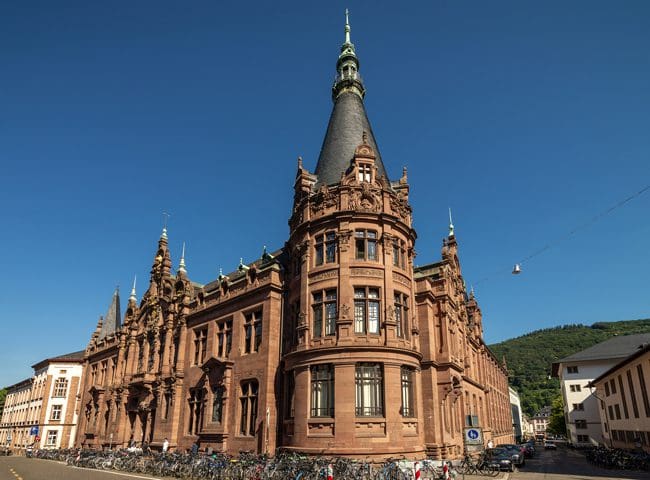
Located on the Neckar River, Heidelberg is home to Germany’s oldest university. Groups can start in Marktplatz, where they’ll find the Hercules fountain, the medieval twin-towered Bridge Gate and the Church of the Holy Spirit. The central square is dotted with cafe tables and surrounded by restaurants and shops. Groups can walk to nearby Kornmarkt, where they can board the Heidelberger Bergbahn funicular railway. The first funicular is a modern railway that takes riders to the red-sandstone ruins of Heidelberg Castle, where groups can see the palace’s exterior and visit the gardens. Viewing the interior is only possible during guided tours, when groups can step inside King’s Hall, visit the German Apothecary Museum, and see the giant barrel that can hold 220,000 liters of wine in the Barrel Building. Visitors can continue to the top of Königstuhl hill in one of Germany’s oldest electric funicular railways for scenic views.
Don’t miss: Heidelberg Castle Festival, an open-air theater festival held every summer.
Koblenz
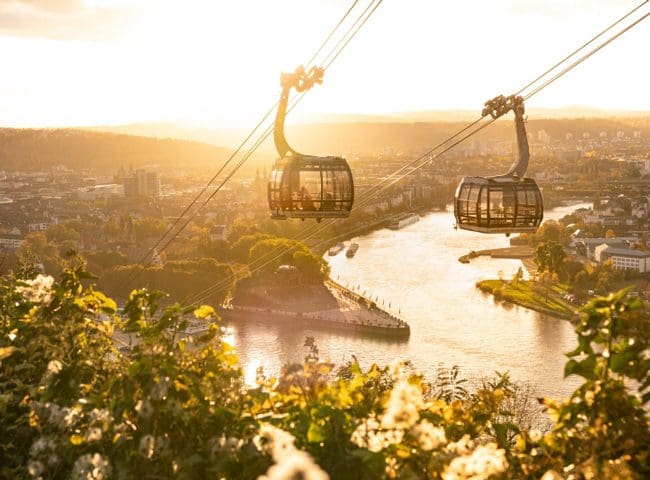
Nestled in the crook where the Rhine and Moselle rivers meet in West Germany, Koblenz is renowned as a wine city. From the city center, groups can take the Koblenz cable car — with 16 glass cabins offering panoramic views of the city and the Upper Middle Rhine Valley — to Ehrenbreitstein Fortress, the second-largest fortress in Europe. Visitors can tour the fortress and attend special events like concerts and exhibitions. Several museums and historic landmarks can be found throughout old town, including the Mittelrhein Museum, one of Germany’s oldest museums that showcases regional art and history exhibits; the Ludwig Museum with modern art; the Prussian Government Building; the Electoral Palace (closed until 2029 due to renovations); and the Koblenzer Sektmuseum, a wine museum in old wine vaults deep below the streets. Groups can also stroll the riverfront Rhine Promenade and walk to Deutsches Eck, the point where “Father Rhine” and “Mother Moselle” meet.
Don’t miss: Koblenz Wine Festival, held every summer.
Lübeck
Lübeck’s city center, located on an island surrounded by rivers that lead to the nearby Baltic Sea, is Germany’s most extensive UNESCO World Heritage Site. The well-preserved medieval city center is home to historic buildings with distinct architecture, cobblestone streets, picturesque alleys, and monumental churches. Lübeck is known as the “City of Seven Towers” because of its seven prominent church towers. Built in 1464, the medieval Holsten Gate houses a museum exploring the city’s history of trade. Next to the brick gate, groups will find six historic salt storehouses, though they’re not open to the public. Lübeck Harbor Museum has more than 20 restored historic ships on display on the Trave River, and groups can arrange a group charter or regatta. The European Hansemuseum explores the history of the Hanseatic League with interactive exhibits. Lübeck is also world-renowned for its marzipan, and groups can visit a variety of local marzipan makers.
Don’t miss: HanseKulturFestival, a local street festival held every two years, next in June 2028.

Münster
Known as the bicycle capital of Germany, Münster is said to have more bicycles than residents. Groups can rent bicycles or arrange guided bicycle tours to explore the city via its extensive network of bicycle paths, including the Promenade encircling the city center. In the old town, St. Paulus-Dom Cathedral houses a 16th-century astronomical clock. Nearby Prinzipalmarkt, the main shopping area, is framed by gabled houses and the medieval St. Lambert’s Church, where, in the 16th century, three metal cages hanging from its facade displayed the bodies of leaders of the Münster Rebellion for 50 years. Also on Prinzipalmarkt, groups can visit Peace Hall inside the Gothic-style town hall. A short walk from the square is the Pablo Picasso Münster Art Museum, Germany’s first and only Picasso museum, which houses a collection of 800 of his lithographs. Groups can also explore the palace gardens and botanical gardens at the baroque Münster Castle.
Don’t miss: Skulpturprojekte Münster in 2027 — the world-renowned public sculpture festival only happens every 10 years.
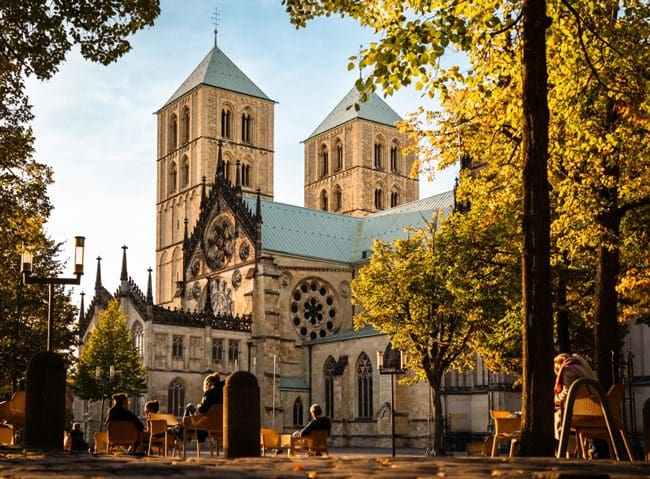
Osnabrück
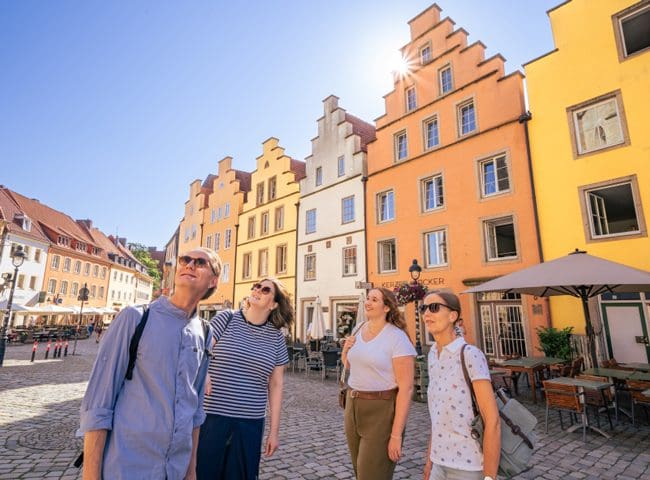
In northwest Germany, Osnabrück’s old town hugs the curves of the Hase River. After visiting St. Peter’s Cathedral in the city center, groups can go next door to tour the Diocesan Museum and Cathedral Treasury, which showcase ecclesiastical art, including sculptures, paintings, and vestments. In a separate room, the Cathedral Treasury houses precious goldsmith works, including reliquaries and liturgical objects. At Osnabrück Town Hall, rebuilt after World War II, visitors can find the Peace Hall, where they can sit in the same seats as the diplomats who shaped European history. Nearby, the Felix Nussbaum House is a modern, abstract building that exhibits the works of the German-Jewish surrealist painter who was killed in Auschwitz. A short walk from the museum, Bucksturm Tower once imprisoned women accused of witchcraft. Groups can visit the Erich Maria Remarque Peace Center, which explores the life and legacy of the author of “All Quiet on the Western Front.”
Don’t miss: May Week Festival, an annual 10-day citywide celebration.
Potsdam
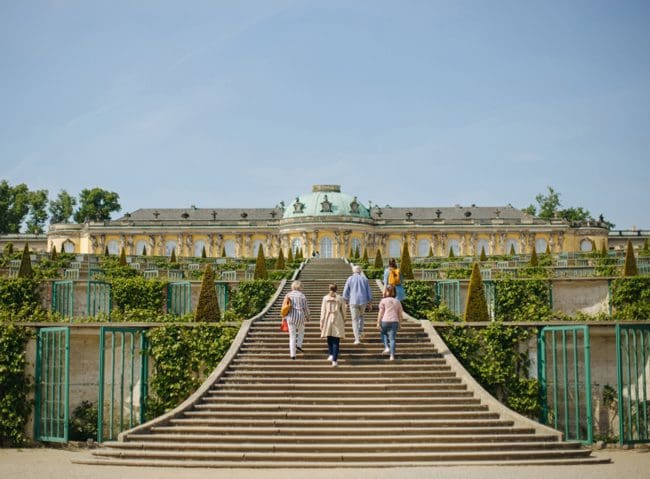
Close to Berlin, the city of Potsdam once served as a royal retreat — and groups can still experience that grandeur today. Frederick the Great built the Sanssouci Palace as his summer sanctuary, and the gilded Rococo chateau sits like a jewel atop terraced vineyards and manicured gardens. At New Palace, on the west side of Sanssouci Park, groups can take guided tours to see baroque opulence in some of the 200 rooms. Potsdam was designated a UNESCO City of Film in 2019. Studio Babelsberg, built in 1911, is where Fritz Lang shot the 1927 masterpiece “Metropolis” and is Europe’s largest studio complex today. Groups can visit the park alongside, as well as the Filmmuseum Potsdam, housed in an ornate 1685 building in the historic city center, next to City Palace, for exhibits on film history as well as film screenings. Don’t miss exploring the shops and cafes in the quaint Dutch Quarter, with its 134 red-brick buildings.
Don’t miss: Music Festival Potsdam Sanssouci, an annual three-week festival in June.
Regensburg
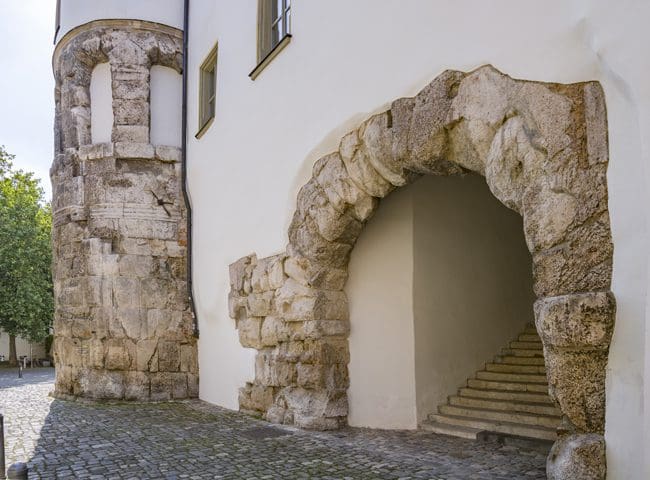
Regensburg’s medieval city center was named a UNESCO World Heritage Site in 2006, and it is the largest medieval old town north of the Alps with nearly 1,500 protected buildings. Many of the city’s most famous sites are found there, including Stone Bridge, where visitors can walk in the steps of the knights of the crusades, who crossed the Danube River on their way to the Holy Land. At the base of the bridge, the open-air Historic Sausage Kitchen is widely considered the oldest continuously open public eatery in the world, serving diners since 1146 AD. Groups can visit the Gothic-style St. Peter Cathedral and walk to the nearby Porta Praetoria, the stone remnants of a former Roman gateway. Visitors can tour St. Emmeram’s Palace, a former abbey-turned-residence of the princely Thurn und Taxis family, which is today the largest privately inhabited palace in Germany, with over 500 rooms.
Don’t miss: Regensburg Dult, a folk festival held twice a year — the Spring Dult in late May and the Autumn Dult in early September.
Rostock
On Germany’s Baltic coast, the city of Rostock straddles the Warnow River, which leads to the Bay of Mecklenburg. Groups can explore Warnemünde, the seaside district where locals and tourists alike enjoy the fishing village flair with gabled cottages, an expansive beach, and the lighthouse, which is open daily from Easter until early October. Groups can also wander along the picturesque Alter Strom canal boardwalk, which is lined with shops, pubs, restaurants, a fish market, and fishing boats. Further inland, the Shipbuilding and Maritime Museum exhibits thousands of maritime items and hundreds of ship models, and groups can arrange guided tours and hands-on demonstrations. In town, New Market Square is home to Town Hall as well as six colorful, carefully restored gable houses from the 15th and 16th centuries. A short walk west leads to the Culture Museum Rostock, which houses paintings, crafts, furniture, and other artifacts in a 13th-century monastery.
Don’t miss: Hanse Sail, an annual maritime festival held in August.
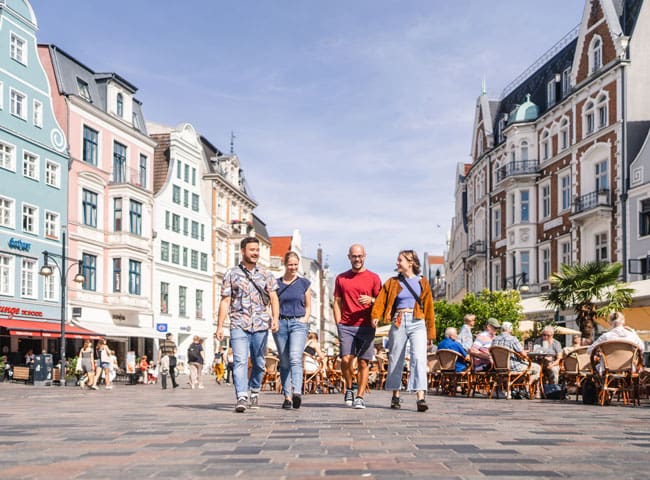
Kroepelin Street in Rostock, courtesy TMV Gross
Trier
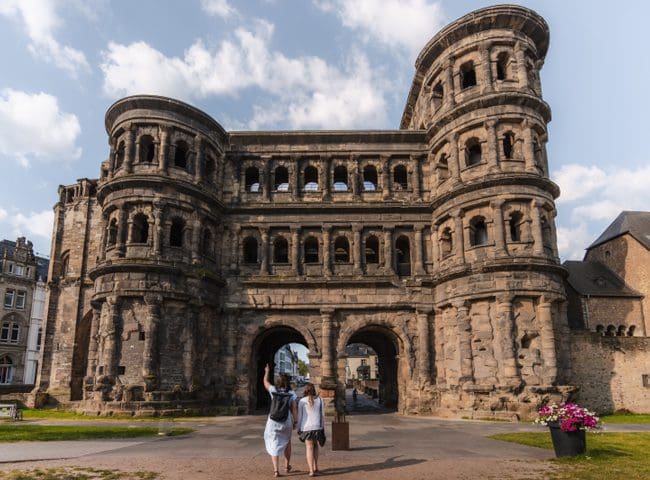
Located on the Moselle River in southwestern Germany, Trier was known as “second Rome” in the Western Roman Empire. Old Town, the pedestrian center, is home to a plethora of well-preserved, UNESCO-recognized Roman ruins. Porta Nigra gate is Germany’s largest Roman monument of its kind; across the street, the City Museum houses historic sculptures and exhibits. Groups can visit Thermen am Viehmarkt, a collection of Roman foundations enclosed in a modern glass structure. Nearby, the Basilica of Constantine is a fourth-century Roman audience hall. Visitors can tour the Imperial Baths, a 1,600-year-old Roman bath complex, and Barbara Baths, the sprawling ruins of the largest bath complex outside of Rome. The Rhineland State Museum houses archeological finds, including the world’s largest Roman gold coin hoard, and offers guided group tours. In Hauptmarkt square, visitors will find colorful buildings, charming cafes, the Steipe and Red House, Petrusbrunnen fountain and a Glockenspiel that plays songs on its 14 bells every hour.
Don’t miss: Illuminale, a light art festival held every two years, next in September 2027.
Tübingen
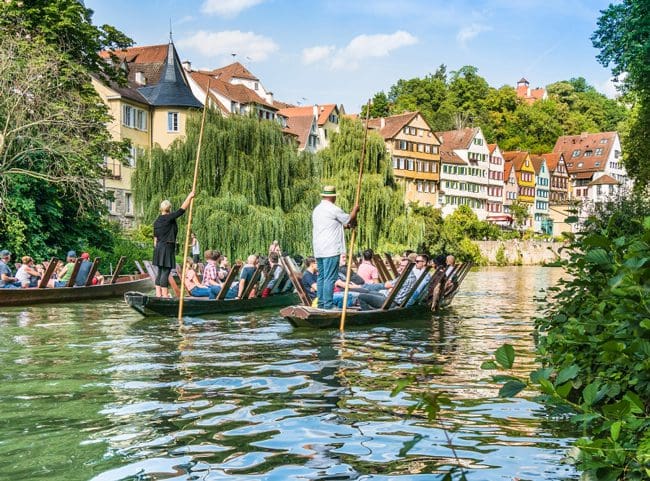
Tübingen developed at the base of Hohentübingen Castle, a fortress that now houses the Museum of the University of Tübingen and the Museum of Ancient Cultures. Guided group tours of museum exhibits and the castle itself are available. Marktplatz is a scenic square in the bustling heart of old town, surrounded by colorful historic buildings from the 15th and 16th centuries, including the ornately painted 15th-century town hall that’s topped with an astronomical clock dating to 1511. Visitors will find shops, cafes and bakeries, the Renaissance fountain featuring Neptune, and may chance upon street musicians or market days. St. George’s Collegiate Church is a 15th-century Gothic church that’s free to enter where visitors may hear someone playing the massive pipe organ. Punting is an integral part of Tübingen culture, and groups can partake in one of locals’ favorite pastimes by reserving a guided punting boat trip along the picturesque Neckar riverfront from May to September.
Don’t miss: Stocherkahnrennen, a fun-filled punting boat race held every June.
Wiesbaden
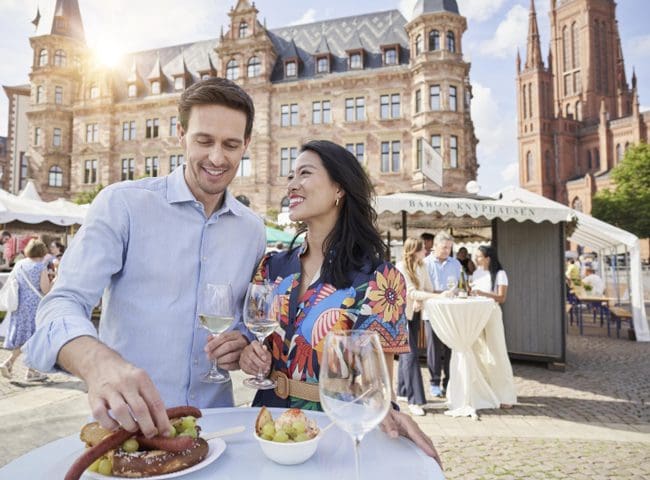
Wiesbaden is home to no fewer than 26 springs, which is how it gained its international reputation as a spa town. Visitors can enjoy the healing waters at the city’s numerous thermal baths and swimming pools. Groups can ride the Nerobergbahn funicular railway up the local mountain from April to November to enjoy panoramic views of the city. Museum Wiesbaden, a two-branch museum of art and natural history, and Museum Reinhard Ernst, dedicated to international abstract art, both offer guided group tours. Groups can also arrange private guided tours of the ornate Biebrich Palace, overlooking the Rhine River. The neo-Gothic Market Church towers over Marktplatz square and is flanked by the neoclassical City Palace, now the seat of the State Parliament, and the neo‑Renaissance New Town Hall, which features public exhibition spaces and a restaurant. The Kurhaus, Wiesbaden’s iconic spa building completed in 1907 for Kaiser Wilhelm II, bears the inscription “Aquis Mattiacis” honoring the Roman healing springs. Its foyer, the Friedrich-von-Thiersch-Saal, and casino retain their Belle Époque splendor.
Don’t miss: Theatrium, an annual three-day street festival held every June since 1977.
Würzburg
The Bavarian city of Würzburg is known for its reconstructed old town, filled with restaurants, cafes and shops, as well as Würzburg Residenz, a baroque palace surrounded by manicured gardens and fountains that was designated a UNESCO World Heritage Site for its art and architecture. Groups can tour 40 palace rooms open to the public and walk up the grand staircase beneath the world’s largest ceiling fresco. The massive Marienberg Fortress sits on a hill dominating the left bank of the Main River. Groups can visit the Museum für Franken inside the fortress to see artifacts that preserve Franconia’s cultural heritage. In old town, groups can visit landmarks like St. Kilian’s Cathedral, St. Mary’s Chapel and Würzburg City Hall or stroll across the 15th-century Old Main Bridge, lined with stone statues of saints.
Don’t miss: Mozart Festival Würzburg, an annual four-week festival of classical music held in May and June. The annual Kiliani beer festival in July celebrates 1,000 years in 2030.
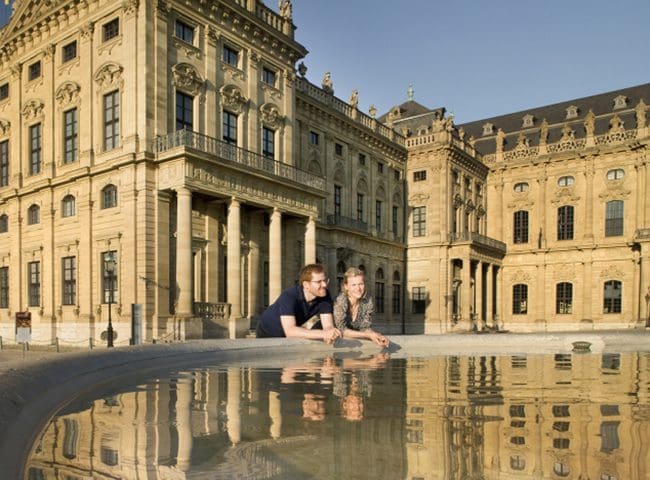
Würzburg Residenz, by Tobias Gerber, courtesy CTW
You May Also Like
About Us

We're The Group Travel Leader, America's leading experts on all things group travel. Find hundreds of articles, podcasts and other free resources for your group travel program here.
The Latest Issue

Stay Connected!
Get the Group Travel Minute e-newsletter twice a month.