


Mississippi Shares Its Civil Rights Past with Honesty and Compassion
All photos courtesy Visit Mississippi
There was a time when Mississippi wasn’t so forthcoming about the state’s Civil Rights history, but in recent years, it has broken the silence and is telling its story in many ways — through museums, large and small; through historic sites preserved in small towns by the cooperative efforts of citizens, Black and white; through its Freedom Trail, a series of plaques that tell small stories of local efforts that made huge change. Explore the state, talk to its people, and you’ll realize that Mississippi is confronting the past with honesty and compassion.
Jackson
Plan on spending a day or two in Jackson, Mississippi’s largest city and its capital. It has a wealth of Civil Rights Trail sites, including a number that are part of the Mississippi Freedom Trail, an ongoing effort to place plaques around the state so significant events and people who worked for the cause of civil rights are not forgotten and can inspire future generations.
Jackson also makes a good home base for group tours. Located at the intersection of Interstates 55 and 20, it’s within a couple of hours of most of the state’s Civil Rights sites.
Find a Local Leader: The best tours often are led by locals, who tell their hometown’s story with heart, soul and often personal stories that are long remembered. Visit Jackson’s list of local tour companies makes it easy to connect with local tour guides that specialize in civil rights tours.
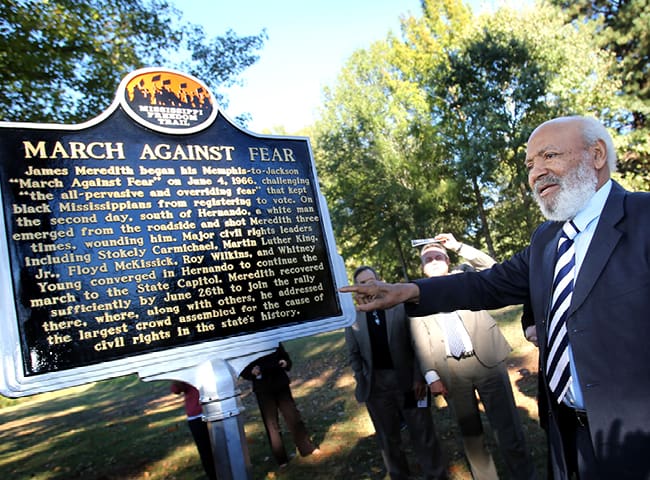
The March Against Fear Freedom Trail marker highlighting the march from Hernando to Jackson
The Mississippi Civil Rights Museum
This well-designed museum starts its story with slavery and moves to the Jim Crow Era and the horrors of lynching before visitors step into a more hopeful space, an exhibit called This Little Light of Mine, where the often-sung melody of the Civil Rights Movement and a lighted sculpture brighten spirits. From there, four galleries explore the Civil Rights Movement from 1945 to 1975 with stories about familiar Civil Rights activists like Medgar Evers to less known, but equally powerful people like Fannie Lou Hamer and Vernon Dahmer. The museum has been recognized for telling the stories of the “ordinary people” who refused to sit silently in the face of inequality and injustice. In the final gallery, visitors reflect on how they would answer Dr. Martin Luther King Jr.’s question “Where Do We Go From Here?” Groups are urged to schedule their visits in advance. And great news for faith-based groups. Their admission is free, thanks to a Lilly Endowment grant.
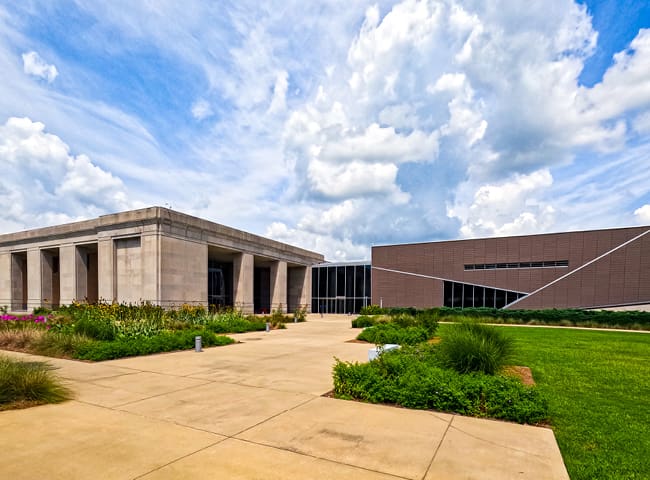
Two Mississippi Museums in Jackson
Fuel Stop: If hunger strikes mid-tour, head to the museum’s café, headed by Nick Wallace, one of Mississippi’s leading chefs, and enjoy Southern specialties with a modern twist. Admission to the museum is free on Sundays.
The Medgar and Myrlie Evers Home National Monument
This modest ranch-style home, in a Jackson neighborhood, seems to have stepped straight from the 1960s, when the Evers’ family made their home there. It earned its status as a national monument in the most horrible of ways; Medgar Evers was shot to death on its carport as he returned home late from work as the NAACP’s first field secretary in Mississippi on June 12, 1963. His assassination marked another turning point in the civil rights struggle, as the veteran of World War II became the first major civil rights leader to be murdered. It brought to the movement a new motto, “After Medgar, no more fear.” Groups can learn more about Evers by arranging a guided tour through the National Park Service in advance. No tours other than those that are prearranged are offered but the grounds and Myrlie’s Gardens are open from dawn to dusk.
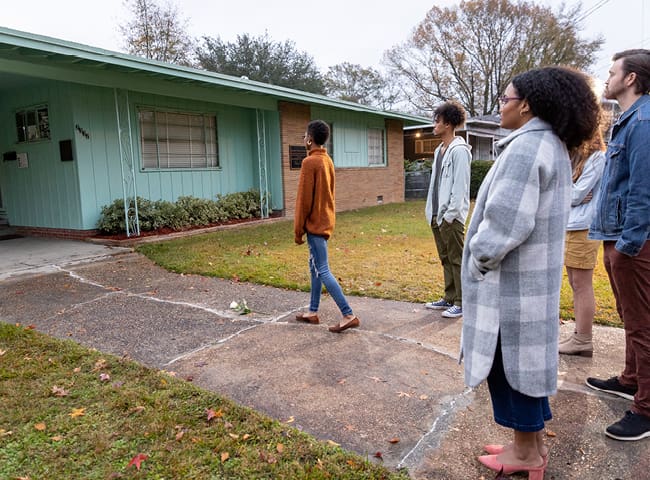
The Medgar and Myrlie Evers Home National Monument in Jackson
Farish Street Historic District
After Jim Crow made segregation mainstream, a 125-acre swath of downtown Jackson became second only to Harlem as a Black Empowerment district. The Farish Street Historic District was the social, cultural and political hub for Black Jacksonians, and many civil rights marches were held in its streets. By the 1970s, the area had declined, and it has never returned to its former glory, but there are bright spots and Civil Rights stops. The Big Apple Inn is a must for more than its famous tamales and pig’s ear sandwiches (Be adventurous—this restaurant has a long history of making what was once a throw-away pig part tender and delicious). Freedom Riders met over lunch there. Medgar Evers had an office upstairs but often convened his meetings in the restaurant. A smattering of other restaurants are nearby: upscale Nell Grace, Johnny T’s Bistro and Blues as well as Hen-n-Egg, a Nick Wallace-owned eatery in the historic Sun-n-Sand motor hotel building. Stops might include the renovated Alamo Theatre, now renovated and booked for arts and cultural events, and the site of Trumpet Records, a short-lived 1950s record producer from the 1950s with a major impact on music. Visit Marshall’s Music and Bookstore, said to be the oldest Black-owned bookstore in the country. It specializes in religious works and sheet music.
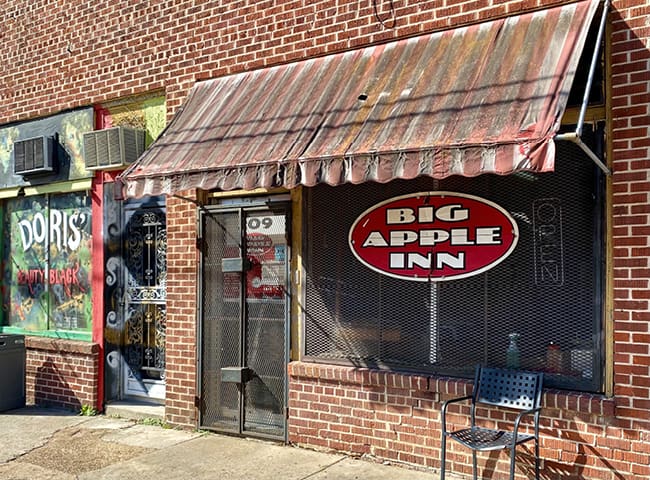
Big Apple Inn in Jackson
Also in the district, make time for the Smith Robertson Museum and Cultural Center. People love the guided tours there. Originally Jackson’s first public school for Blacks, it is a comprehensive look at the accomplishments of Black Mississippians, from their arrival as slaves to their achievements as state and national leaders. Exhibits cover Farish Street in its heyday, the Civil Rights Movement in Jackson and the state’s historical black colleges and universities.
Speaking of Black colleges and universities, Tougaloo College, built on the site of a former plantation, is a nice place to a stroll beneath old oaks and magnolias. The library’s special collections include photos, artifacts and writings about the Civil Rights Movement. Its Woodworth Chapel, built in 1901 by students, has been restored. The 1,000-piece Tougaloo African-American Art Collection is among the largest in the Southeast. While admission is free, reservations are required for groups. Request an interpretive guide to lead a tour. For more art, visit Jackson State University’s Gallery 1. It is Mississippi’s premier art gallery for the African experience from pre-slavery to present day. Local and national artists also show and sell their artwork there.
Photo Op: At the corner of Medgar Evers Boulevard and Dr. Martin Luther King Jr. Drive (Freedom Corner), a monument to the two Civil Rights leaders makes a great group photo op.
Fuel Stops: Many of Jackson’s black-owned restaurants are longtime, local favorites. The understated but lip-smacking Bully’s Soul Food, a James Beard Award winner, has been serving oxtail, smothered pork chops, greens, black-eyed peas and other soul food specialties for more than three decades. Sugar’s Place Downtown is another sweet spot for soul food. Its meat and three dinners make a belt-busting meal. Try Monroe’s Donuts and Bakery for doughnuts of every description. If he’s there, owner Monroe Jackson might talk about how he started this long-thriving business in 1995 after a hurricane destroyed his home. Stamps Super Burgers also has a relevant origin story. Order burgers to eat on the road and experience a place that has been bringing Jacksonians of all races together for 50 years.
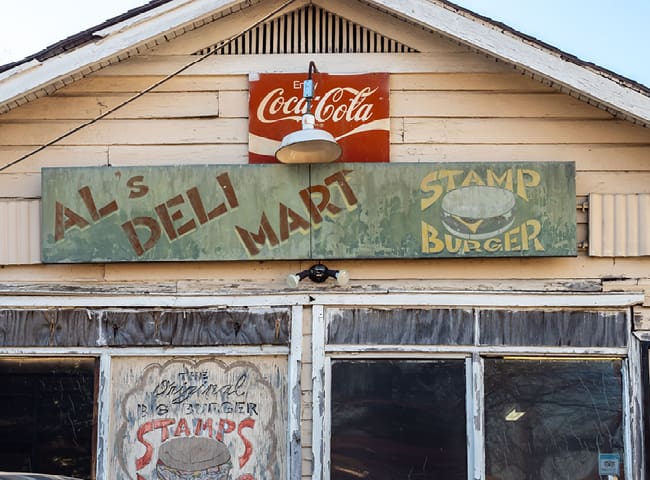
Stamps Super Burgers in Jackson
Mississippi Delta
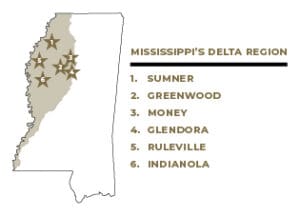
In 1955, the Civil Rights Movement was well underway in Mississippi and the South, but it exploded after white men in the Mississippi Delta lynched a Black child. Many consider the murder of Emmett Till the event that ignited the modern Civil Rights Movement.
Small towns in the Delta have preserved important sites tied to the tragic story of 14-year-old Till, believing that by learning about the past, we can prevent such horrors in the future.
Emmett Till Interpretive Center and the Tallahatchie County Courthouse
Sumner
In Sumner, a town of just over 200 in Tallahatchie County, a grassroots group has worked for decades to restore the county courthouse where Till’s murderers were tried and acquitted by an all-white jury. Guided tours of the courthouse can be booked online through the visitors center across the street, formerly known as the Emmett Till Interpretive Center. A visit to these sites tells two stories: the story of Till, whose death moved this nation toward equality and also of a community of Blacks and whites who have worked together to tell a story that many in the Delta tried to forget or ignore. In addition to the courthouse renovation, the group has issued a public apology to the Till family, created the interpretive center, erected plaques at Till sites, and successfully campaigned to have the Till sites designated as the Emmett Till and Mamie Till-Mobley National Monument. Late last year, the organization purchased the barn where Till was beaten and hanged, and it plans to open the barn as a memorial to him in 2030.
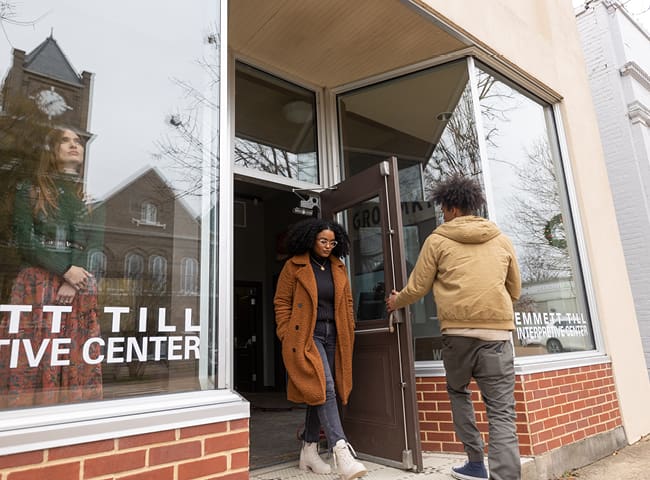
Emmett Till Interpretive Center in Sumner
Greenwood
Although there are no U.S. Civil Rights sites there, Greenwood is an important stop in the Delta. The nine-foot bronze statue of Emmett Till stands in its Rail Spike Park, the only such memorial to Till in the country. Greenwood also has a self-guided walking tour of sites, including churches of varied denominations, that helped organize Greenwood’s efforts to register Black voters in the mid-1960s. Learn about the citizen-led effort, which brought in singer Bob Dylan, the Rev. Martin Luther King Jr., Andrew Young, Stokely Carmichael, Dick Gregory and other national leaders.
Fuel Stop: In Greenwood, there’s fancy, like Giardina’s, an Italian restaurant with Delta twists located at the Alluvian, and Fan and Johnny’s, noted for contemporary Southern meals. For more casual dining, locals love Drake’s BBQ, a small-time barbecue stand, and Turnrow Café for soups and sandwiches.
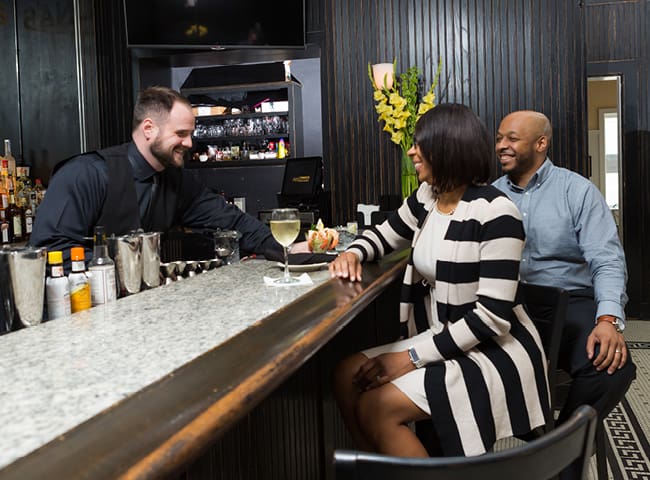
Giardina’s at the Alluvian in Greenwood
Money
About a 20-minute drive from Greenwood, see the vine-covered ruins of Bryant’s Grocery, a haunting reminder of the nightmare that began there after the store owner’s wife accused Emmett Till, a Chicago boy in town to visit his relatives, of whistling at her.
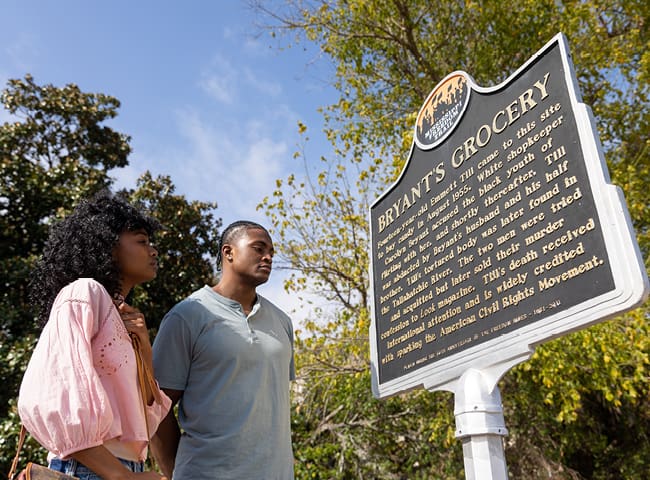
Bryant’s Grocery Freedom Trail marker in Money
Glendora
In Glendora, a cotton gin once owned by one of Emmett Till’s abductors is home to the Emmett Till Historic Intrepid Center, a museum dedicated to telling the story and sharing the lessons of Emmett Till’s murder. The small museum includes a replica of the Bryant’s Grocery storefront. Guided tours are offered.
Ruleville
Stop by the Fannie Lou Hamer Memorial Gardens in Ruleville to learn more about Hamer, a Black woman who was not allowed to register to vote when she tried and was then fired from her job because of it. She turned her anger into activism and became a respected and often-quoted civil rights leader. Hamer’s statue, in the gardens near her and her husband’s graves, captures her fiery spirit.
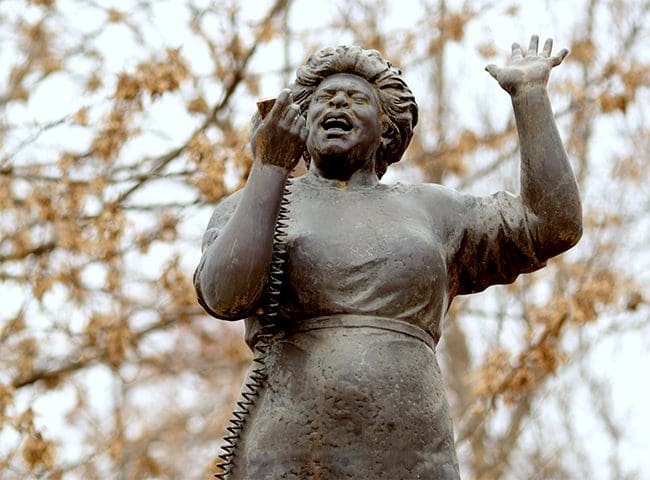
Fannie Lou Hamer Memorial Gardens in Ruleville
Indianola
South of Ruleville, the B.B. King Museum and Delta Interpretive Center in King’s hometown is more than a salute to a man who started life as a sharecropper’s son and, through persistence, became a musical legend. Through its exhibits, the museum also shows how the blues inspired those who pushed against so many obstacles as they campaigned for equal rights. A new exhibit space, added after King’s death 10 years ago, is filled with personal possessions like his Rolls-Royce Silver Shadow. In addition to discounts for groups of 20 or more, the museum also offers a group package with admission and a catered lunch at Club Ebony with a performance by a blues musician. Many famous blues artists once performed at Club Ebony, which was purchased by King and given to the museum.
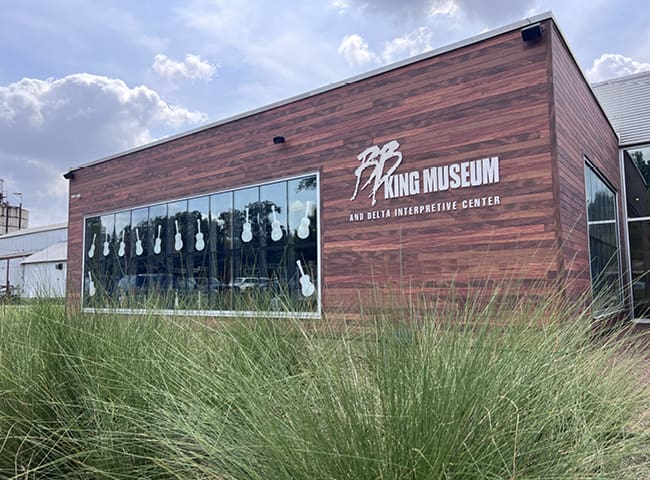
B.B. King Museum and Delta Interpretive Center in Indianola
Other Mississippi Civil Rights Trail Stops
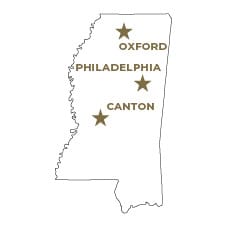
Canton Freedom House
Canton
A home owned by two Black grocers north of Jackson was bombed and faced other threats after it was rented to a civil rights organizer and became the local headquarters for the Congress of Racial Equality (CORE) and a refuge for civil rights workers. Today, it houses a collection of photos, articles and civil rights memorabilia and is open only by appointment. Guided tours are offered.
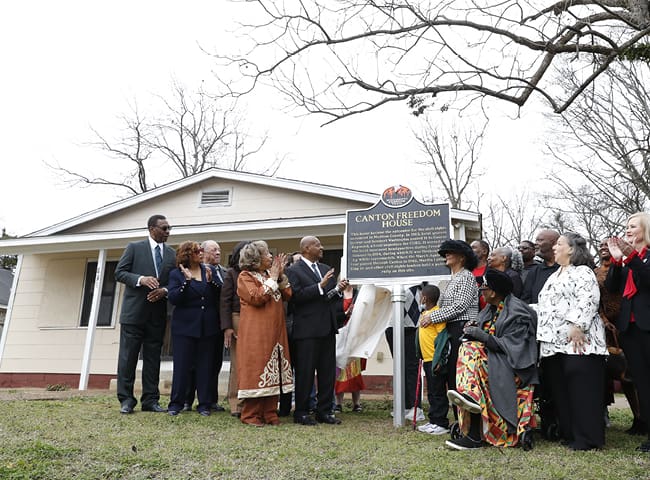
Canton Freedom House
Neshoba County Historic Sites
Philadelphia
Take a driving tour to sites tied to the 1964 murders of CORE activists Michael Schwerner, Andrew Goodman and James Chaney, who were hunted by Klansmen, arrested on trumped-up charges and, after they were released, chased down, killed and buried in an earthen dam by KKK members. The tour includes a United Methodist Church where church members were beaten by Klan members who were searching for Schwerner, the site of the killings and the local jail and courthouse, where a number of those involved in the murders were convicted, the first time anyone in Mississippi had been convicted on civil rights charges.
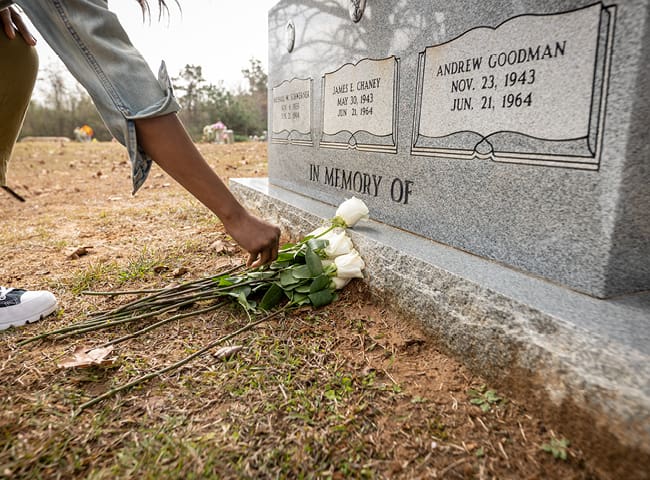
A memorial for the murdered CORE activists, Michael Schwerner, James Chaney and Andrew Goodman, in Philadelphia
Lyceum and the Circle Historic District
Oxford
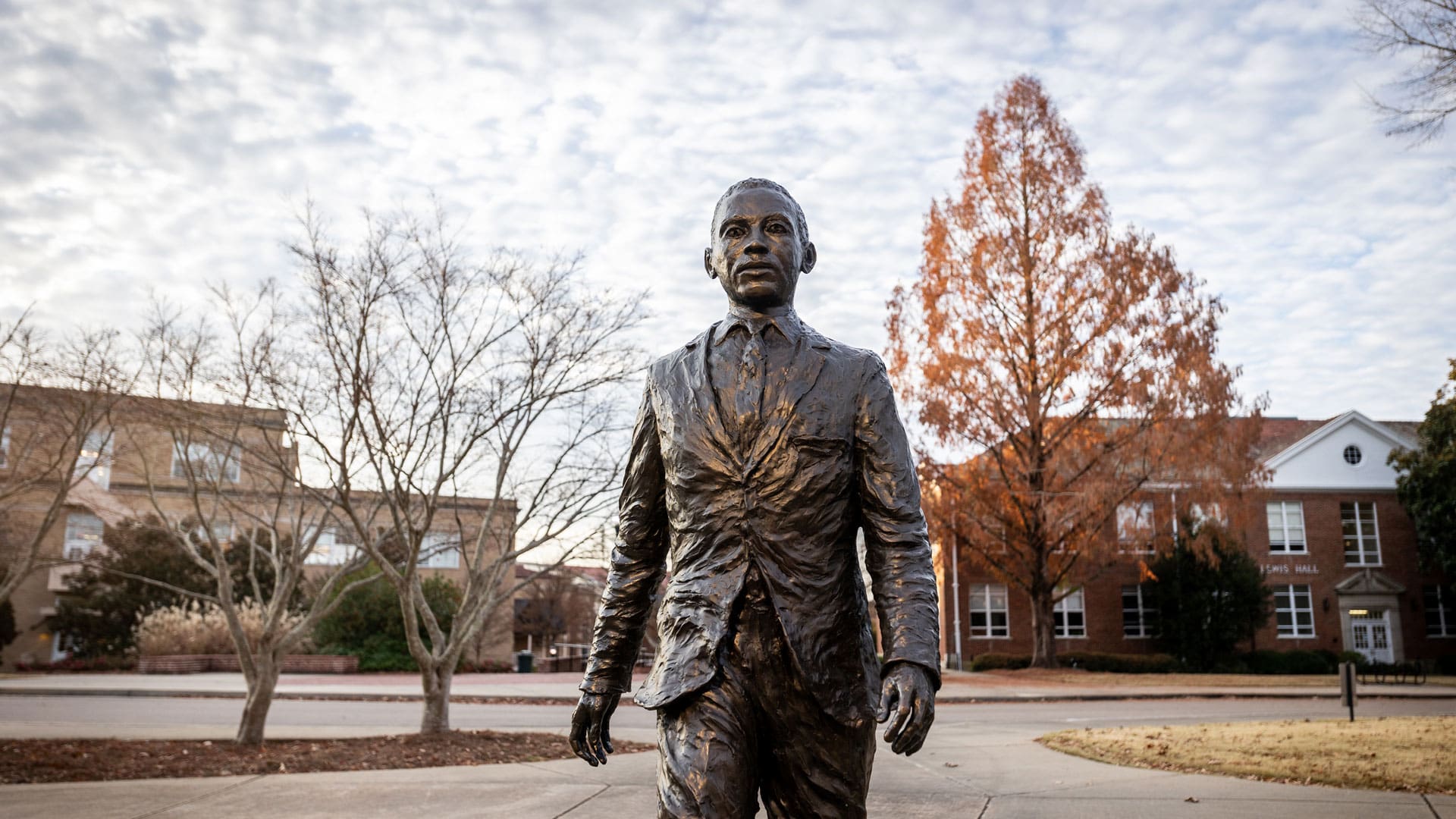
In 1962, riots broke out on the University of Mississippi campus as James Meredith, a Black military veteran, desegregated the all-white university. He had been rejected by the school twice before the federal government called in 500 National Guard troops to ensure he could attend, but after the troops left, rioting began. Two people were killed and many others were injured. A statue of Meredith, who later graduated from Ole Miss with a degree in political science, is in the campus’s Circle Historic District, which includes the Lyceum, the oldest building on campus.
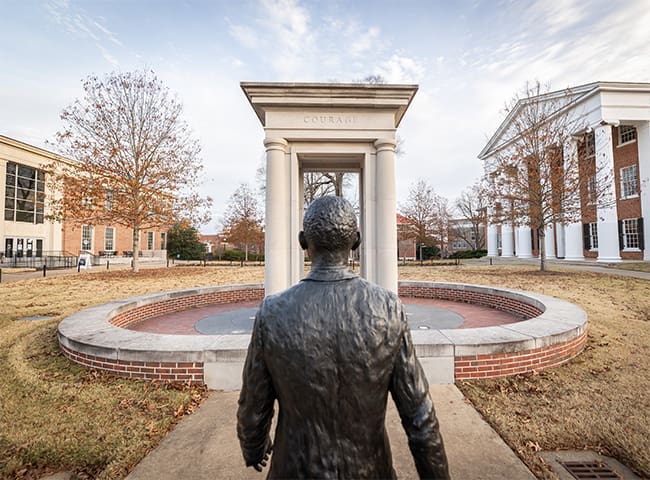
The James Meredith statue on the University of Mississippi campus in Oxford
Fuel Stop: Oxford is a culinary capital. Among its restaurants are four recognized by Michelin in 2025: Ajax Diner, City Grocer, Snackbar and Taylor Grocery.
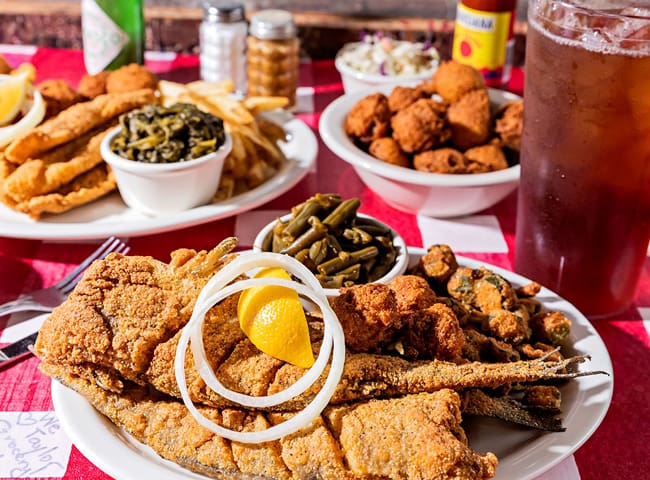
Taylor Grocery in Oxford
You May Also Like


About Us

We're The Group Travel Leader, America's leading experts on all things group travel. Find hundreds of articles, podcasts and other free resources for your group travel program here.
The Latest Issue
Stay Connected!
Get the Group Travel Minute e-newsletter twice a month.