


Mountains and Majesty in Wyoming
Courtesy Wyoming Office of Tourism
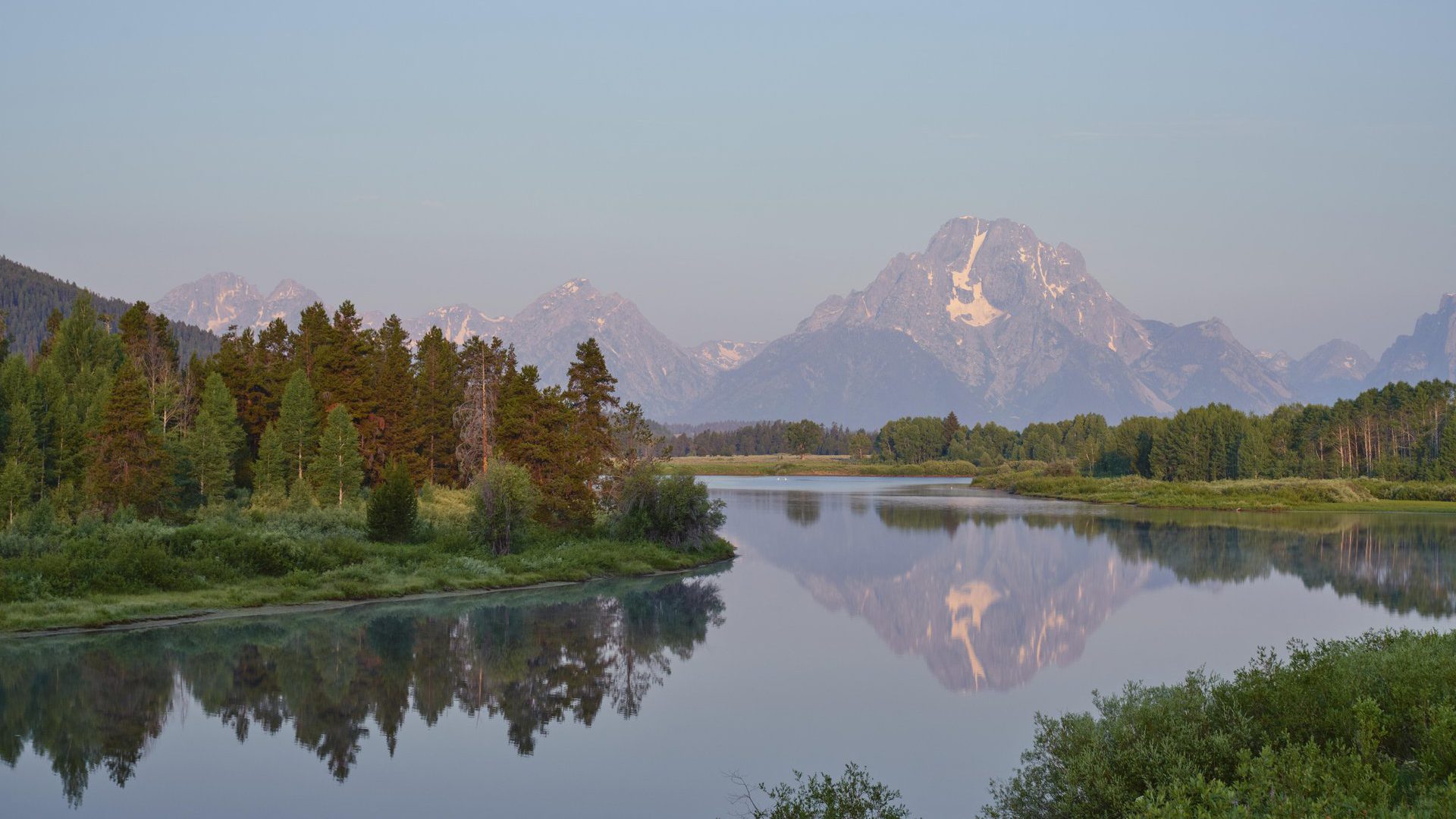
From its wide-open spaces to its rich Indigenous history and cowboy culture, Wyoming is the best of the West. The territory that would become the 44th star on the U.S. flag in 1890 gave women the right to vote in 1869, earning it the name “The Equality State,” and elected the country’s first female governor in 1925. Though it’s America’s least populous state — where there are more cattle than people — Wyoming is home to the first national park (Yellowstone) and the first national monument (Devils Tower) in the world.

With stunning natural beauty and authentic Western hospitality, Wyoming offers an unforgettable journey for groups.
Cheyenne
Rodeo is Wyoming’s official state sport, and the capital city of Cheyenne is the unofficial capital of the bronc-busting, barrel-racing, steer-roping spectacle. Cheyenne Frontier Days is the largest outdoor rodeo and Western celebration in the world and is the centerpiece of the capital’s annual events calendar. Always held over the last week in July, the 10-day extravaganza draws visitors from around the world to enjoy fireworks, concerts, a carnival, pancake breakfasts and, of course, rodeo. Groups should also make time for Morning Star American Indian Village, which offers visitors an immersive look at Plains Indian culture through demonstrations, storytelling, live music, dance and artisan crafts.
“Frontier Days is obviously a huge draw and a great group event to come up for,” said Amy Larsen, destination program manager for the Wyoming Office of Tourism — and the fourth generation in her family to call Wyoming home. “But if your group can’t make it at that time, there are still great rodeos and other options in Cheyenne even when Frontier Days is not happening. Wyoming truly is the last bastion of the West, and there’s just been this whole shift and people wanting to embrace the cowboy culture, experience the cowboy culture and step into that Western heritage. And so it’s not even something Wyoming needs to create. It’s 100% who Wyoming is.”
Larsen recommends the Hell on Wheels Rodeo and Chuck Wagon Dinner series, which showcases some of the sport’s rising stars, as well as a visit to Rodeo Ranch. “Groups can actually get up close and go behind the [rodeo] chutes there,” she said. “They arrange a private catered dinner, you can pet the horses, they’ll do some roping demonstrations — they will really customize an authentic Western experience for your groups there.”
Casper
Many trails followed along the North Platte River long before European settlers headed West. Animals migrated, and Native Americans crossed the land for trade, conflict, harvesting and hunting. Pioneers followed in their footsteps. Four of these historic migration trails came through Casper: the Pony Express, the California, the Oregon and the Mormon trails.
“The National Historic Trail Center really tells our story in a hands-on way,” said Annette Pitts, CEO for Visit Casper. “The exhibits are exceptional, and the facility has an incredible view of the valley and the whole town. It’s a great way to get a sense of the community’s history.”
Pitts encourages groups to explore Casper’s fun, walkable downtown. “There’s a lot of energy downtown and great family-owned boutique shopping. Our outdoor concert venue is called David Street Station. In winter, there’s a pop-up ice rink, and in the summer, they have a splash pad, and there’s always music playing, vendors, festivals, artists, things like that. The North Platte River runs right through town, and opposite is Casper Mountain, where you’ll find a full mountain experience and our alpine ski resort.”
For those who want to follow in the footsteps of pioneers, Historic Trails West will take groups out in a Conestoga wagon for dinner on the historic Oregon Trail. And tours traveling on toward Cody should stop at Hell’s Half Acre, where a new viewing platform offers a panoramic vista over some of Wyoming’s scenic Badlands, made famous in the film “Starship Troopers.”
Cody
“Cody’s just amazing,” said Michael Wambolt, who recently became executive director for Cody Yellowstone. “How I explain it to people is if you put a compass over Cody, and you point yourself in any direction, you’re in the wilderness, whether it’s in the plains, in the mountains, whether you’re next to a river or next to the Buffalo Bill Reservoir or a lake. There’s just outdoor access on every corner and everywhere you point yourself here.”
But while Wamboldt touts Cody’s amazing nature — “We don’t just have the first national park [Yellowstone], we have the first national forest, Shoshone” — he promises there’s plenty of interest for “indoorsy” groups, as well.

“Cody has a rich Western heritage and culture,” he said. “We have the Smithsonian-recognized Buffalo Bill Center of the West, which is actually five museums in one. There’s the Buffalo Bill Museum, the Plains Indian Museum, the Cody Fire Museum, the Whitney Western Art Museum and then the Draper National History Museum. You could get lost in different parts of history and nature for at least a half a day, if not a couple days, at that museum block. It’s a phenomenal place.”
In Cody’s original center, Old Trail Town is a collection of authentic buildings and artifacts set up to re-create the mid-1800s. At the elegant Hotel Irma, which was owned by Buffalo Bill and named for his daughter, guests can enjoy a drink at the cherrywood bar that was gifted to the legendary entertainer by Queen Victoria herself. After a day of activity indoors or out, groups can enjoy a hearty Western dinner with live entertainment at The Cody Cattle Company and then mosey along to the night rodeo, which runs every evening June through August.
Jackson Hole
As the gateway to two of America’s most famous national parks and one of the world’s most legendary ski resorts, Jackson Hole is a four-season playground that draws outdoor enthusiasts, artists, celebrities and sightseers from around the globe. The once-rugged mountain outpost has retained its Old West authenticity while polishing itself into a destination that also appeals to groups seeking sophisticated dining, shopping and accommodations. In Jackson Hole, there’s something for every style.
Groups should start by exploring the downtown, beginning at Jackson Hole’s iconic Town Square Arches. Constructed entirely from antlers collected from the nearby National Elk Refuge, they’re a symbol of the town’s history and commitment to conservation. The Jackson Hole History Museum also offers one-hour guided tours of downtown’s historic sights and buildings. Every evening in the summer (except Sundays), groups can witness a feels-real shootout, as actors from the Jackson Hole Playhouse reenact an Old West showdown using real guns but fake ammunition. Amy Larsen also recommended a new experience for groups at Snow King Mountain Resort.
“The resort has the gondola, and now they’ve actually built a planetarium and observatory right on top of the mountain,” she said. “They’ve also opened a new restaurant up there called Auroras, and they’ll work with groups on dining and a planetarium experience and a gondola ride. And what’s great about this is you’re looking out at the Tetons, and you actually get a view of the whole Jackson Hole area. It’s stunning, and the food is delicious.”
Grand Teton & Yellowstone National Parks
It’s undeniably stunning, but Grand Teton National Park traditionally has been geared more to solo adventurers than groups. But a number of experiences are extremely group-friendly and not to be missed. Grand Teton Lodge Company runs breakfast, lunch and dinner cruises out of the Colter Bay Village Marina. These excursions place groups in the shadow of Mount Moran, allowing them to learn about local history, geology and folklore while taking in the sights, dining on Elk Island and seeing the park from a completely unique vantage point.
Groups can also enjoy a float excursion along the Snake River. Grand Teton Lodge Company offers 10-mile floats (not white water) where groups will not get wet while taking in amazing Teton vistas and getting the chance to see wildlife like bald eagle, moose, bison, elk, osprey and beavers. ADA-accessible trips may be available with prior reservation.
President Ulysses S. Grant signed the Yellowstone National Park Protection Act in 1872, creating the world’s first national park and founding a national parks system that today manages over 80 million acres in all 50 states and American territories. It would take years to properly explore Yellowstone’s vast wilderness, but groups can hit many of the highlights on a one-day tour of the Grand Loop Road, which includes Old Faithful, Fountain Paint Pot, Mammoth Hot Springs, the Upper and Lower Falls of the Grand Canyon of the Yellowstone, Canyon Village and Lake Yellowstone Hotel. Regardless of where groups book their overnight accommodations, a meal or a drink in the historic Old Faithful Inn — one of the largest log-style structures in the world — is a must.

Cynthia Barnes
Cynthia Barnes is a Colorado-based travel writer who has written for the Boston Globe, Food & Wine, Toronto Star, and National Geographic, among other publications. She loves dives (both scuba and bars), baseball (Cubs), spicy food, and exploring the world.
You May Also Like
About Us

We're The Group Travel Leader, America's leading experts on all things group travel. Find hundreds of articles, podcasts and other free resources for your group travel program here.
The Latest Issue
Stay Connected!
Get the Group Travel Minute e-newsletter twice a month.